
Gardening success relies on identifying issues before they spread. This guide covers how to spot, manage, and prevent the most frequent tomato afflictions that US gardeners face throughout the growing season.
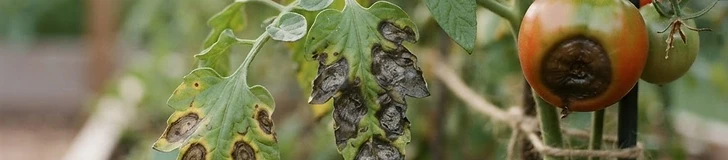
Early Blight: The Lower Leaf Culprit Often appearing after the first fruit set, early blight (Alternaria solani) is a fungal disease that thrives in warm, humid weather. You will notice small, brown circular spots with concentric rings, often resembling a target, starting on the lowest leaves. To manage it, prune the bottom 12 inches of foliage to improve airflow and mulch heavily with straw to prevent soil-borne spores from splashing onto leaves during rain.
Late Blight: The Rapid Destroyer Late blight (Phytophthora infestans) is far more aggressive and prefers cool, wet conditions, often striking when nighttime temperatures stay between 50°F and 70°F. Unlike early blight, it causes large, water-soaked grey-green patches on leaves that quickly turn brown and papery. If you see white, fuzzy growth on the undersides of leaves during damp weather, remove the entire plant immediately to save the rest of your garden.
Always water your tomatoes at the base of the plant using a soaker hose or drip irrigation, keeping the leaves completely dry to significantly reduce fungal spore transmission.
Blossom-End Rot: The Calcium Imbalance If your fruit develops a sunken, leathery, dark brown spot on the bottom end, you are likely dealing with blossom-end rot. This is not a disease, but a physiological disorder caused by fluctuating moisture levels that prevent the plant from taking up enough calcium.
- Maintain consistent soil moisture by watering regularly so the top 2 inches of soil never dry out completely.
- Avoid heavy nitrogen fertilizers during fruit set, which can encourage fast vegetative growth that outpaces calcium delivery to the fruit.
- Ensure your soil pH is balanced, ideally between 6.2 and 6.8, to allow for optimal nutrient uptake. Consistent garden hygiene and proactive monitoring are your best defenses against these common tomato struggles.