
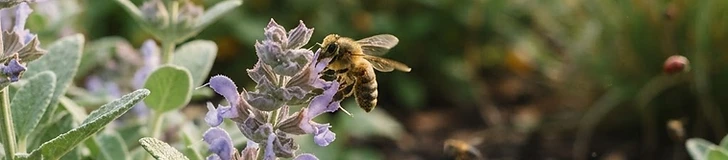
Gardening success relies on the tiny workforce of bees, lacewings, and ladybugs visiting your plants. By shifting away from harsh pesticides, you can transform your backyard into a sanctuary that naturally balances pest populations and boosts harvest yields. This guide covers how to safeguard these essential visitors.
Identify the True Culprits
Many gardeners reach for sprays at the first sign of a leaf hole, but not every insect is an enemy. Beneficial insects like Chrysopidae (lacewings) and Coccinellidae (ladybugs) are expert pest controllers. Before applying any treatment, use a magnifying glass to check if you are actually dealing with an infestation or if natural predators are already working to manage the situation.
Choose Physical Barriers
When pests do become a problem, reach for mechanical solutions instead of chemicals. Floating row covers—lightweight, spun-bonded fabrics—are excellent for protecting young seedlings from cabbage worms or squash vine borers without harming pollinators. Ensure the edges are buried or weighted with heavy stones so insects cannot crawl underneath to reach your crops.
Timing Is Everything
If you must use an organic control like insecticidal soap, timing is your best defense. Active pollinators are usually most busy between 65°F and 85°F during the mid-day sun. Always apply treatments in the late evening, once temperatures drop and the bees have returned to their nests, to minimize direct exposure to non-target species.
Pro tip: Avoid applying even organic pesticides on windy days; drift can carry particles to nearby flowering shrubs where bees are foraging.
Favor Selective Solutions
Broad-spectrum pesticides do not distinguish between a hungry aphid and a helpful bumblebee (Bombus). Whenever possible, use selective controls such as Bacillus thuringiensis (Bt), which targets specific larvae rather than beneficial adult insects. Always read the label thoroughly to ensure the product is safe for pollinators in your specific USDA hardiness zone.
Foster Biodiversity
Finally, cultivate a diverse environment that supports the entire life cycle of insects. Planting native species like Echinacea or Monarda provides a constant food source, keeping beneficials nearby throughout the season. When these insects have a stable habitat, they are far more effective at policing your garden than any bottled product could ever be.
Start small by replacing one synthetic chemical in your garden shed with a preventative strategy like companion planting or hand-picking pests to see the immediate impact on your garden's health.