
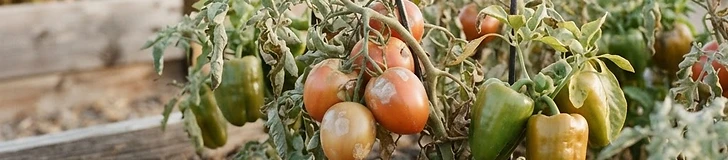
In high-heat regions, even sun-loving plants like tomatoes (Solanum lycopersicum) and peppers (Capsicum annuum) can reach a breaking point. Excessive exposure to intense desert sun often leads to sunscald, a physiological condition that damages fruit tissue, and heat stress, which causes blossoms to drop. This guide helps you keep your plants productive when temperatures exceed 95°F.
Identifying Sunscald
Sunscald appears as large, white, leathery patches on the sides of peppers or tomatoes exposed directly to the sun. It occurs when the fruit’s skin is heated beyond its tolerance, killing the cells underneath. Unlike a pest infestation, this damage is strictly environmental. If your garden is in USDA zones 8 through 11, consider this a common seasonal challenge rather than a failure of your gardening skills.
Implementing Shade Cloth
Using shade cloth is the most effective way to protect your harvest. For desert gardeners, a 30% to 40% density cloth is ideal. It filters the harsh UV rays while still allowing enough light for photosynthesis.
- Secure the cloth at least 12 inches above the plant tops to ensure airflow.
- Use PVC pipes or wooden stakes to build a simple support frame.
- Install the cloth by mid-morning to prevent the peak heat of the day from hitting the fruit directly.
Pro tip: Avoid pruning your tomatoes excessively during peak summer; extra leaves act as a natural canopy to shade developing fruit and keep the plant’s core cooler.
Managing Irrigation
Deep watering is essential for maintaining plant health. In dry heat, light surface watering leads to shallow roots that are highly susceptible to stress. Aim to soak the soil 6 to 8 inches deep twice a week. Mulching with 3 inches of organic matter, such as wood chips or straw, acts as an insulation layer for the roots, keeping the soil moisture stable even when air temperatures soar.
Harvesting Early
When extreme heat waves are predicted, practice proactive harvesting. If peppers or tomatoes show signs of turning their mature color (blushing), pick them and let them ripen indoors on a counter out of direct sunlight. This prevents them from cooking on the vine while still allowing you to enjoy a perfect, blemish-free harvest.
By managing the microclimate around your plants, you can successfully extend your harvest season well into the hottest weeks of the year.