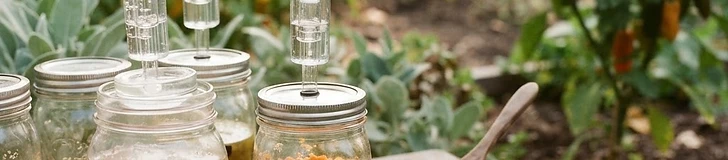
Several mason jars filled with chopped red and yellow peppers submerged in brine, sitting on a wooden kitchen counter next to a sea salt container.Peppers & Chiles

Preserving the Heat: Fermenting Your Own Hot Sauce

2 min read 385 words

Turn your bumper crop of garden chiles into long-lasting, probiotic-rich hot sauce and pepper paste using simple fermentation techniques.

Transforming your end-of-season pepper harvest into a shelf-stable condiment is one of the most rewarding ways to extend the bounty of your garden. Fermentation relies on wild bacteria to preserve peppers, creating a deep, complex flavor profile that vinegar alone cannot replicate. This method is perfect for any variety, whether you are growing mild Capsicum annuum or scorching hot Capsicum chinense in USDA zones 3 through 10.

Setting Up Your Brine The foundation of safe fermentation is a simple salt-water brine. You will need a clean glass jar, non-iodized salt (sea salt works best), and filtered water. Chlorine in tap water can inhibit the growth of beneficial lactobacillus bacteria.

  1. Clean your peppers and remove stems.
  2. Chop peppers into uniform 1-inch pieces to ensure even distribution.
  3. Create a 3% to 5% salt concentration by weight—roughly 1 tablespoon of salt for every 2 cups of water.

The Fermentation Process Once your peppers are submerged, the anaerobic environment prevents spoilage while flavor develops. Keep the peppers beneath the surface using a glass weight or a small cabbage leaf.

  • Seal the jar with an airlock lid or burp the jar daily to release carbon dioxide.
  • Place the jar in a cool, dark spot (65°F to 75°F).
  • Ferment for 7 to 14 days; the mixture should smell tangy and bright, not foul.

If you notice any fuzzy white, green, or black mold growing on the surface, discard the entire batch immediately to prevent potential foodborne illness.

Creating Paste and Sauce After the fermentation period, you can customize your final condiment consistency. For a classic hot sauce, strain the solids, blend them with a portion of the brine, and add vinegar if you desire extra acidity. For a thicker pepper paste, blend the fermented solids with minimal liquid until you reach your preferred texture. Always use sterilized bottles for final storage, which will keep your sauce stable in the refrigerator for up to six months.

Safety and Storage Always prioritize sanitation when working with ferments. Wash your hands thoroughly and ensure all equipment is free of soap residue. Keep your ferments away from direct sunlight, which can alter the temperature and lead to uneven bacterial activity. Enjoy your custom-crafted heat on tacos, eggs, or roasted vegetables throughout the winter months.

Watch & learn

Curated variety-trial and pest-ID videos related to this article.

How to make fermented hot sauce

Open
#Peppers#Preserving#Fermentation#Harvest

More in Peppers & Chiles

We use a couple of cookies to keep you signed in and remember your settings — no tracking ads, and we never sell your data. Read our privacy policy.