
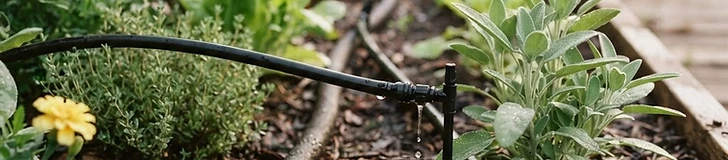
Switching to precision irrigation saves time, reduces water waste by up to 50%, and keeps foliage dry to prevent common fungal diseases. This guide covers how to transition from traditional spraying to efficient root-zone watering.
The Efficiency of Drip Systems
Drip irrigation utilizes a network of small tubes and emitters to deliver water directly to the soil surface. This method is ideal for raised beds or row crops like Solanum lycopersicum (tomatoes). Because the water drips slowly—often at a rate of 0.5 to 2 gallons per hour—it allows the soil to absorb moisture deeply, preventing runoff and reaching roots down to 12 inches deep, which is crucial for survival during the hot summer months in USDA zones 5 through 9.
Implementing Soaker Hoses
Soaker hoses are porous lines that "sweat" water along their entire length. They are the most beginner-friendly upgrade for dense plantings, such as perennial flower beds or dense veggie patches.
- Lay the hose in a serpentine pattern between your plants.
- Cover the hose with 2 to 3 inches of organic mulch to slow evaporation.
- Connect the hose to your outdoor spigot and turn it on to a low setting to avoid bursting the seams.
Pro Tip: Always check your soil moisture by sticking your finger two inches into the dirt; if it feels cool and damp, you can skip a day of watering regardless of the temperature.
Automating Your Schedule
Watering timers take the guesswork out of the process, especially during peak heat when temperatures exceed 90°F. By automating your system, you can ensure your garden receives water in the early morning hours, typically between 5:00 AM and 8:00 AM. This timing minimizes wind interference and evaporation, ensuring that more water reaches the root zone before the heat of the day intensifies.
Troubleshooting Common Issues
To keep your system running, periodically check for clogs or leaks in your lines. Mineral buildup can block emitters, while physical damage from garden tools is common. If you notice a specific plant wilting despite an active system, inspect the nearby emitter to ensure water is actually reaching the soil. Always use a backflow preventer on your spigot to keep your garden water supply safe and separate from your home drinking water system.
Consistent, deep watering leads to stronger plants that can better withstand the stresses of the growing season.