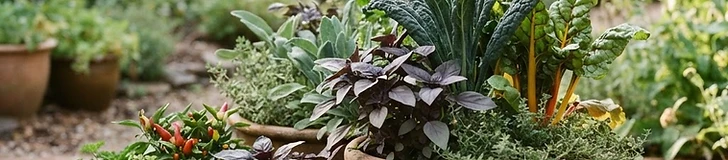
A collection of terracotta and glazed ceramic pots arranged on a patio, containing a lush mix of red peppers, bright green herbs, and trailing strawberries.Edible Landscaping

Potted Bounty: Designing Ornamental Edible Containers

2 min read 344 words

Transform your porch or patio into a productive paradise by combining ornamental flowers with tasty vegetables in decorative containers.

Container foodscaping allows you to merge aesthetic appeal with fresh harvests, perfect for gardeners with limited space or those looking to maximize their patio productivity. By selecting plants that offer both visual texture and culinary value, you can create high-impact, edible displays that rival traditional floral arrangements.

Selecting Your Vessels and Soil Proper drainage is the foundation of successful container gardening. Choose pots at least 12 to 18 inches in diameter to ensure adequate room for root development. Always use high-quality potting mix rather than garden soil, which can compact and cause drainage issues in pots. Ensure every container has drainage holes to prevent root rot, especially during humid summer months.

The Thriller, Filler, Spiller Design Use the classic design principle of grouping plants by height and growth habit for a polished look.

  1. Thrillers: Tall, upright edibles like Capsicum annuum (ornamental peppers) or dwarf fruit trees.
  2. Fillers: Mounded plants such as Ocimum basilicum (basil) or Petroselinum crispum (parsley).
  3. Spillers: Trailing varieties like Fragaria × ananassa (strawberries) or creeping thyme.

For the best results in your containers, pair plants with identical water and sunlight requirements to ensure your thriving display doesn't have thirsty or overwatered casualties mid-season.

Maintenance and Feeding Containerized edibles dry out much faster than ground-planted crops, often needing daily water during peak heat above 85°F. Because container nutrients leach out with frequent watering, implement a consistent feeding schedule. Apply a liquid organic fertilizer diluted to half-strength every two weeks throughout the growing season to keep both your flowers and vegetables productive.

Climate Considerations If you live in USDA zones 6 or lower, choose portable containers with wheels so you can move them into a garage or shed if an unexpected frost threatens your crops. Selecting cold-hardy varieties like Kale or Swiss Chard allows you to extend your harvest well into the autumn months while maintaining vibrant foliage colors in your pots. By thoughtfully combining shapes, colors, and textures, your patio will become a beautiful, edible centerpiece that provides fresh ingredients throughout the entire season.

Watch & learn

Curated variety-trial and pest-ID videos related to this article.

How to Grow Vegetables in Containers

Open
#container gardening#foodscaping#small space gardening#herbs#vegetables

More in Edible Landscaping

We use a couple of cookies to keep you signed in and remember your settings — no tracking ads, and we never sell your data. Read our privacy policy.