
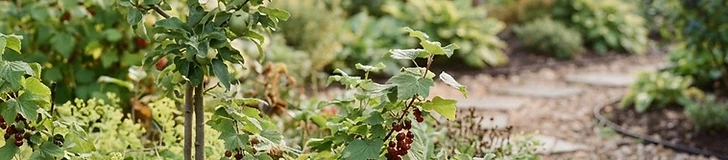
Designing a perennial fruit garden allows you to enjoy harvests for years without the annual labor of replanting. By choosing plants suited to your USDA hardiness zone and site conditions, you can build a self-sustaining landscape that rewards you every season.
Understanding Your Hardiness Zone Before purchasing stock, verify your USDA hardiness zone to ensure the plants can survive your local winter temperatures. Most fruit trees and berry bushes require a specific number of 'chill hours'—the time spent between 32°F and 45°F during winter—to break dormancy and fruit properly. Check with your local cooperative extension office to find your zone and regional recommendations.
Selecting the Right Site Most fruit-bearing plants demand full sun, defined as at least six to eight hours of direct sunlight daily. Avoid low-lying areas where frost settles, as late spring frosts can kill blossoms and destroy the year’s harvest. Soil drainage is equally critical; perennial roots will rot if left in standing water. If your native soil is heavy clay, consider building raised beds at least 12 to 18 inches high to improve aeration and drainage.
To ensure long-term success, always group plants with similar water and soil pH requirements, such as placing acid-loving blueberries away from fruits that prefer neutral soil.
Choosing Your Varieties When starting your orchard, prioritize disease-resistant cultivars tailored to your region. Look for varieties labeled for your specific zone to avoid winter injury. Consider these categories:
- Berries: Rubus (raspberries or blackberries) thrive in many zones and spread easily through runners.
- Cane Fruits: Currants and gooseberries are excellent for cooler climates and partial shade.
- Tree Fruits: Select dwarf or semi-dwarf rootstocks, which typically produce fruit sooner and are easier to manage in residential spaces.