
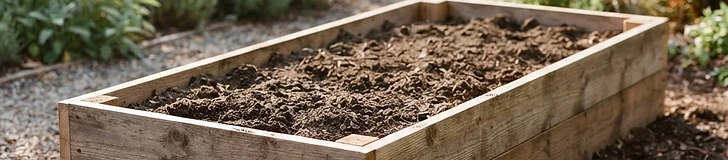
Starting a raised bed garden is one of the most effective ways to boost yields and control soil quality. This guide covers the essential planning steps to help you build a productive garden space that thrives in your local climate.
Selecting Your Site Choosing the right placement is critical for plant health. Most vegetables, such as Solanum lycopersicum (tomatoes) and Capsicum annuum (peppers), require at least 6 to 8 hours of direct sunlight daily. Observe your yard throughout the day to find a spot that avoids shadows cast by trees or buildings. Ensure the site is relatively level and near a water source, as carrying heavy watering cans can become a chore quickly.
Choosing Durable Materials When selecting your materials, durability and safety are key. Cedar and redwood are popular choices because they are naturally rot-resistant, though they come at a higher price point. If you use untreated pine, expect to replace the boards every 3 to 5 years.
If you live in a colder USDA zone, consider using thicker 2-inch lumber to provide extra insulation for plant roots during unpredictable spring freezes below 40°F. Avoid using old railroad ties or treated wood that may contain chemicals harmful to edible crops.
Optimal Dimensions and Depth To keep your garden manageable, focus on the size of your structure. A bed width of 4 feet is ideal because it allows you to reach the center from either side without stepping into the bed and compacting the soil. For length, 8 feet is a standard size that fits well in most backyards. A depth of 12 inches is sufficient for most vegetables, though you should aim for 18 inches if you plan to grow root crops like Daucus carota (carrots) or Raphanus sativus (radishes).
Construction Steps Follow these steps to assemble your frame:
- Clear the sod from your chosen area to prevent grass from growing through.
- Use rust-resistant screws and a drill to attach boards to 4x4 corner posts.
- Lay down a layer of hardware cloth if you have issues with burrowing rodents like moles.
- Fill your bed with a high-quality mix of compost, topsoil, and coco coir for optimal drainage. With your site prepared and your materials assembled, you are ready to start planting your first garden harvest.