
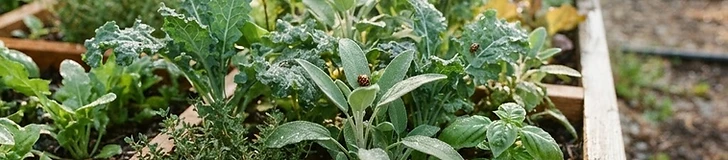
In square-foot gardening, the close proximity of plants is a major advantage for yield, but it can create a hidden paradise for pests. By understanding how to balance density with airflow and vigilance, you can protect your harvest effectively.
Prioritize Airflow and Access
When plants are packed tight, stagnant air becomes a breeding ground for fungi and insects like aphids. To combat this, pruning is essential. Regularly remove lower leaves that touch the soil or block air circulation. Ensure your grid is accessible from all sides—if your bed is wider than 4 feet, you may struggle to reach the center, leading to neglected plants that attract infestations.
Daily Observation
Because plants in a grid are so close together, a pest can spread across the entire bed in days. Inspection should be part of your daily routine. Take five minutes to look under leaves for signs of eggs, holes, or webbing. Early detection is the most powerful tool a gardener has; if you catch a small cluster of pests, you can often remove them by hand before they become a disaster.
Keep a small spray bottle filled with a mild soap solution in your garden kit; a quick misting on the first signs of aphids can save your entire grid from an outbreak.
Beneficial Interplanting
Incorporate companion plants directly into your grid to deter pests naturally. Species like Tagetes (marigolds) or Allium schoenoprasum (chives) can mask the scent of your vegetables, confusing hungry insects. Place these in a corner square to act as a barrier or a decoy crop. Aim to dedicate at least one square foot for every ten in your bed to these beneficial allies.
Barrier Methods
Physical protection is highly effective for high-density beds. Using floating row covers—lightweight, spun-bonded fabrics—can prevent pests like cabbage worms and squash vine borers from ever reaching your crops. Ensure the cover is draped loosely to allow for plant growth and tucked securely at the edges, especially during the peak growing season in USDA zones 4 through 9.
Sanitation Matters
At the end of each harvest, clear out all plant debris. Pests and diseases love to overwinter in decaying stalks or fallen leaves within your 1-foot squares. By keeping the soil surface clean and pulling out spent root systems, you break the life cycle of common garden invaders and ensure a fresh start for your next planting cycle.