
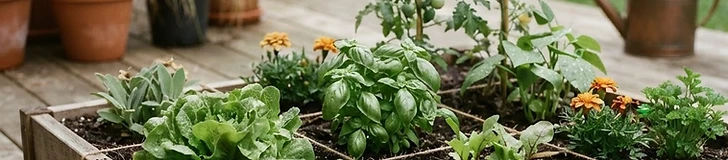
You do not need a sprawling backyard to master the square-foot gardening method. By adapting the grid system for containers, you can grow a dense, highly productive garden on even the smallest balcony or patio, regardless of your USDA zone.
Choosing the Right Container
The core of the method is spacing, so your container must be large enough to support the intended density. A standard 12-inch deep pot or wooden crate serves as one "square foot." Ensure every container has adequate drainage holes at the bottom to prevent root rot. If you are using fabric grow bags, these provide excellent aeration for root systems, which is vital when plants are grown closely together.
Designing Your Grid
Even without a wooden frame, you can visualize your planting density. For a 12x12 inch container, use these common spacing guidelines:
- 1 large plant: Solanum lycopersicum (Tomato) or Capsicum annuum (Pepper).
- 4 medium plants: Basilicum (Basil) or lettuce heads.
- 9 small plants: Spinach or bush beans.
- 16 tiny plants: Radishes or carrots.
Tip: When gardening in containers, moisture evaporates quickly; check your soil daily and water whenever the top inch feels dry to the touch to maintain the consistent hydration high-density crops require.
Quality Soil Foundation
Because you are maximizing space, your soil blend must be nutrient-dense. Avoid using heavy garden soil, which compacts in containers. Instead, create a fluffy, water-retentive mix using equal parts peat moss or coconut coir, compost, and coarse vermiculite. This lightweight medium ensures roots can easily spread and find nutrients even in cramped quarters.
Maximizing Sunlight
Patios often have localized microclimates. Most high-yield vegetables need at least 6 to 8 hours of direct sunlight. If your patio is shaded, focus on leafy greens like kale or arugula, which tolerate lower light levels better than fruit-bearing crops like cucumbers. Use rolling plant stands so you can track the sun across your patio throughout the day to ensure every square foot gets its fair share of energy.
With consistent water and a rich soil mix, your patio garden will thrive as much as any traditional raised bed.