

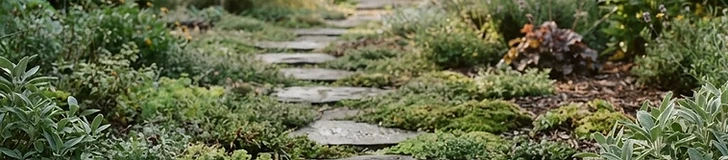
Transitioning away from a traditional grass lawn allows you to reclaim your time while creating a more dynamic landscape. Adding a pathway through your yard creates an intentional flow, protecting your garden beds from foot traffic while adding aesthetic charm to your outdoor space.
Planning Your Path
Before buying materials, map out your traffic patterns. Think about where you naturally walk between your back door, the shed, or your favorite seating area. Most primary garden paths should be at least 3 feet wide to allow two people to walk comfortably or to accommodate a wheelbarrow. For secondary routes, a 2-foot width is usually sufficient. Observe where water naturally drains on your property to ensure your path doesn't become a drainage ditch during heavy rain.
Selecting Your Materials
Choose materials based on your climate and budget. Permeable surfaces are ideal because they allow water to soak into the soil, reducing runoff.
- Flagstone or concrete pavers: Excellent for a permanent, level surface.
- Gravel or decomposed granite: Cost-effective and provides a satisfying crunch underfoot.
- Wood chips or bark mulch: Best for informal, temporary paths that suppress weeds and feed the soil over time.
Pro-tip: If using gravel or stone, always install a layer of heavy-duty landscape fabric underneath to prevent weeds from growing up through the cracks.
Installation Basics
Installing your path doesn't have to be a multi-week project. For a simple paver walkway, start by clearing the vegetation and excavating about 4 inches of soil. Fill the area with 2 inches of compacted road base, top it with 1 inch of leveling sand, and set your stones firmly in place.
- Mark your layout with string or spray paint.
- Excavate to the necessary depth.
- Add a stabilized base for longevity.
- Set stones and fill gaps with sand or creeping groundcovers like Thymus serpyllum (creeping thyme).
Maintenance Matters
Keep your pathway functional by checking edges once a year. In colder climates (USDA zones 3–6), frost heave can shift stones, so be prepared to lift and reset pavers after a thaw. If you use gravel, keep a small stockpile on hand to fill low spots that develop over time.
Start small by creating one clear route today, and your yard will immediately feel more purposeful and easier to manage.