
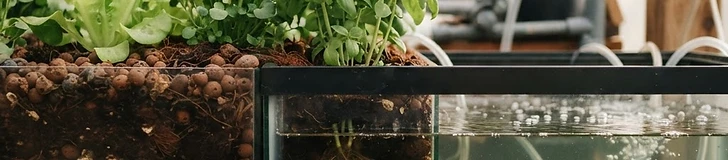
Creating a successful aquaponic setup requires balancing your fish and plants to ensure they support each other's growth cycles. By selecting species with compatible temperature and nutrient requirements, you can build a self-sustaining ecosystem that thrives in your home environment.
Choosing the Right Fish
For beginners in most US regions, Tilapia are the gold standard due to their resilience and fast growth. They tolerate a wide range of water conditions and thrive in temperatures between 75°F and 85°F. If you live in cooler USDA zones where maintaining high water temperatures is difficult, Goldfish are an excellent, hardy alternative that can handle lower temperatures while still providing sufficient nutrients for your plants.
Selecting Compatible Plants
Leafy greens are the best starting point for any aquaponic gardener. Plants like Lactuca sativa (lettuce), Spinacia oleracea (spinach), and various herbs require high nitrogen levels, which are naturally provided by fish waste. These plants grow rapidly and typically reach harvestable size within 4 to 6 weeks, providing quick feedback on your system's water quality.
Maintaining Environmental Balance
- Maintain pH between 6.8 and 7.0 to keep both fish and beneficial bacteria happy.
- Ensure adequate water oxygenation to support both plant roots and fish gills.
- Avoid overstocking; generally, aim for 1 pound of fish per 5 to 10 gallons of water.
Pro Tip: Always introduce your plants gradually; adding too many seedlings at once can shock the system before your biological filter is fully established.
Scaling for Your Climate
If you want to grow fruiting crops like Solanum lycopersicum (tomatoes) or Capsicum (peppers), you will need a more mature system that has been running for at least six months. These plants are heavy feeders and require the stable nutrient profile that develops in an established, well-cycled aquaponic unit. In warmer climates, these can grow year-round, while northern gardeners should focus on these crops during the peak heat of summer when water temperatures naturally rise above 70°F.
Your garden's success relies on patience, so start small with leafy greens and hardy fish to master the nitrogen cycle before expanding to more demanding crops.