
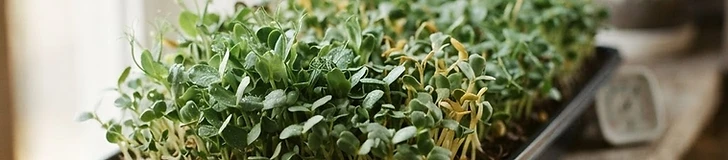
Achieving consistent success with your indoor microgreens requires balancing three environmental pillars: light, temperature, and airflow. By fine-tuning these conditions, you can prevent common issues like legginess or mold and ensure a fast, robust harvest.
Lighting for Healthy Growth
Adequate light is the most critical factor in preventing your greens from becoming 'leggy' or pale. Microgreens need bright, indirect light or supplemental LED grow lights. If you are using a windowsill, choose a south-facing spot, but monitor it closely; in lower USDA zones during winter, the light may be too weak. For optimal growth, aim for 12 to 16 hours of light per day, positioning your lights roughly 2 to 3 inches above the tray.
Managing Temperature
Most varieties thrive in a temperature range of 65°F to 75°F. Temperature directly dictates the speed of germination and growth. If your home is cooler, such as in a basement, seeds like Brassica rapa (spicy mustard) may take longer to sprout. Conversely, if the environment exceeds 80°F, you increase the risk of fungal growth and stunted, stressed plants. Keep trays away from direct heat vents or drafty doorways to maintain stability.
Pro Tip: Use a simple heat mat with a thermostat controller set to 70°F to ensure uniform germination even if your indoor ambient temperature fluctuates throughout the night.
Promoting Airflow and Humidity
Proper airflow is the secret to avoiding 'damping off,' a common fungal issue that kills young seedlings. Even a small, oscillating desk fan placed near your growing station makes a massive difference. You want a gentle breeze that moves the air around the canopy without drying out the soil medium too quickly. Improving air circulation prevents stagnant moisture pockets, especially in the tight, crowded spacing typical of microgreen trays.
Troubleshooting Environmental Stress
If you notice uneven growth, check your variables:
- Uneven light: Rotate your trays 180 degrees every 24 hours.
- Leggy stems: Bring your light source closer or increase the duration of exposure.
- Mold patches: Increase your airflow and ensure you are not overwatering your medium.
Consistent monitoring of these three factors will transform your growing process from experimental to professional-grade.