
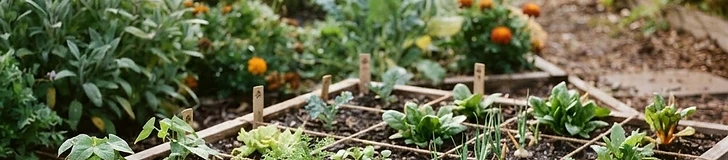
Maximizing your yield in a small space requires precise plant placement. By following standard square-foot density guidelines, you ensure each crop has enough airflow, sunlight, and root space to reach maturity without overcrowding your garden bed.
The One-Per-Square Rule
Large, heavy-feeding crops need significant room to develop their root systems and foliage. Place exactly one plant per 12x12 inch square for the following:
- Solanum lycopersicum (Tomato - staking required)
- Capsicum annuum (Bell Pepper)
- Cucurbita pepo (Summer Squash)
- Brassica oleracea (Broccoli and Cabbage)
- Solanum melongena (Eggplant)
- Cauliflower
The Four-Per-Square Rule
Medium-sized plants thrive when placed four per square foot, which allows for optimal canopy spread in a standard grid.
- Lactuca sativa (Head Lettuce)
- Swiss Chard
- Parsley
- Basil
- Garlic
Nine-Per-Square Rule
Compact crops are perfect for high-density planting. By placing nine per square, you create a living mulch that shades the soil and keeps weeds at bay.
- Spinacia oleracea (Spinach)
- Bush Beans
- Beets
- Turnips
Pro Tip: Always adjust your spacing based on the variety. If you are planting indeterminate tomatoes or sprawling winter squash, give them an extra square or use a trellis to grow them vertically, saving your grid space for smaller crops.
Sixteen-Per-Square Rule
For small root vegetables or fast-growing greens, you can fit sixteen plants into a single square. This density is ideal for continuous harvesting.
- Daucus carota (Carrots)
- Raphanus sativus (Radishes)
- Green Onions
- Mesclun mix greens
Vertical Success
Remember that vining crops like Cucumis sativus (Cucumbers) can be grown at two plants per square if you provide a sturdy vertical trellis. This allows you to tuck small, fast-maturing crops like radishes in the shaded base of the trellis.
Proper planning in your grid means less time weeding and more time harvesting fresh produce throughout the USDA growing season.