

Choosing the right method to start your onion (Allium cepa) patch can significantly impact your success and bulb size. Depending on your growing season and patience level, you can start with seeds, sets, or transplants to fill your pantry.
Starting from Seeds
Growing onions from seeds is the most economical method, especially if you want to grow specific long-day or short-day varieties.
- Start seeds indoors 8–10 weeks before your last frost date.
- Maintain indoor temperatures around 65–70°F for optimal germination.
- Seeds offer the widest variety selection but require the most lead time and attention before transplanting out when soil reaches 50°F.
Planting Sets
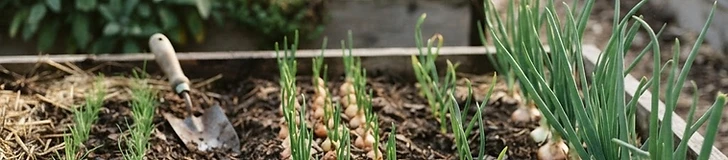
Sets are immature, marble-sized bulbs grown the previous season. They are the easiest option for beginners in USDA zones 3–9 because they are resilient and establish quickly.
- Press sets into the soil 1 inch deep with the pointed end facing up.
- Space them 4 inches apart in rows to ensure adequate airflow.
- Because they are already established plants, they resist early spring weather fluctuations better than seedlings.
Tip: When buying sets, avoid any that feel soft or shriveled; firm, dry sets will always produce the healthiest, most vigorous bulbs.
Using Transplants
Transplants are young seedlings started by professional growers, usually shipped in bundles during early spring. They offer a head start over direct-sown seeds without the hassle of indoor lights.
- Trim the roots to 1 inch before planting to encourage growth.
- Bury the base of the stem about 1 inch deep in well-draining soil.
- Transplants are excellent for gardeners in warmer climates where the growing window is tight and maturity speed is critical.
Timing and Climate
Your geographic location dictates your onion success. The most important factor is day length. Long-day onions thrive in northern latitudes with more sunlight, while short-day varieties are better suited for southern states. Always verify that the onion type you choose—whether seed, set, or transplant—is calibrated for your specific USDA zone to ensure the bulbs actually swell instead of just producing greens.
Choose the method that matches your schedule and budget, then get those bulbs in the ground to enjoy a homegrown harvest this summer.