
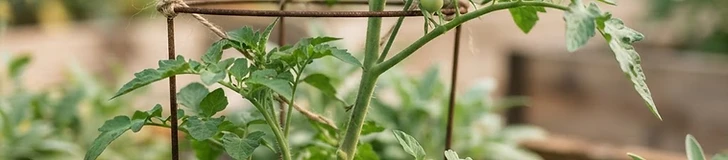
Feeding your tomatoes effectively requires a two-stage approach: prioritizing leafy growth in the spring and shifting to fruit production once the plant begins flowering. Understanding these nutritional needs helps you grow healthier plants across all USDA zones.
The Role of Nitrogen
Nitrogen is the primary driver for structural growth. When your young tomato plants are getting established, they need this nutrient to build strong stems and lush, green foliage. In the first four to six weeks after planting in your garden bed, provide a balanced organic fertilizer. Avoid high-nitrogen fertilizers once flowers appear, as this can lead to 'all leaf, no fruit' syndrome, where your plant looks beautiful but fails to produce a harvest.
Shifting to Potassium
Once you see the first small yellow blossoms, your priority must shift to potassium. This essential nutrient acts like a highway system for sugars and starches, moving energy from the leaves into the developing tomatoes. Adequate potassium levels improve the size, flavor, and color of your fruit. Look for fertilizers labeled with a higher middle or third number (such as 5-10-10 or 4-6-12) to support this transition.
Fertilizer Application Tips
To ensure your plants receive these nutrients without damaging roots, follow these application rules:
- Apply granular fertilizers 4 to 6 inches away from the base of the stem.
- Always water thoroughly after applying any dry fertilizer to help it move into the root zone.
- If using liquid fish emulsion or seaweed extract, apply as a soil drench every two weeks during the peak growing season.
Pro tip: If your plants look healthy but aren't producing, stop the nitrogen boost immediately and apply a liquid seaweed or potassium-rich fertilizer to encourage the plant to shift its energy into flower and fruit production.
Signs of Nutrient Imbalance
Keep a close eye on your tomato leaves to spot deficiencies before they affect your yield. Pale or yellowing lower leaves often indicate a lack of nitrogen, while brown, scorched-looking leaf edges may signal a potassium deficiency. Catching these signs early allows you to correct the soil chemistry before it stunts your plant's progress.
By adjusting your feeding schedule to match the plant's life cycle, you set yourself up for a bountiful tomato harvest all summer long.