
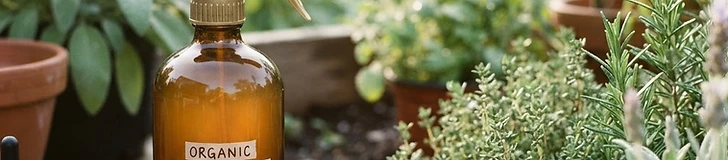
Keeping your garden thriving in USDA zones 3–9 often means managing tiny invaders like aphids and spider mites. These sap-sucking insects can stunt plant growth and spread viruses, but you do not need harsh synthetic chemicals to reclaim your leaves. By using targeted organic sprays, you can resolve these infestations quickly while keeping your garden ecosystem safe for bees and ladybugs. <h2>The Power of Horticultural Oil</h2> Horticultural oils are refined mineral oils that work by suffocating pests on contact. They are excellent for controlling both aphids and mites because they disrupt the insect's ability to breathe without leaving toxic residues. For best results, mix a light summer-weight oil with water according to label instructions. Apply it in the early morning when temperatures are below 85°F to prevent leaf burn. <h2>Mixing Effective Soap Sprays</h2> Insecticidal soap is a go-to solution for soft-bodied pests. Unlike household dish detergents, which can contain degreasers that strip the protective wax off your plants, true insecticidal soaps are formulated specifically for plant health. To make a simple version, mix 1 tablespoon of pure castile soap per 1 quart of water. 1. Fill a spray bottle with the mixture. 2. Thoroughly coat both the tops and the undersides of leaves where pests hide. 3. Rinse the foliage with plain water after a few hours if you live in a climate with high humidity to prevent moisture-related fungal issues. > Always test your homemade spray on a single, inconspicuous leaf and wait 24 hours to ensure the plant does not react negatively before applying it to the entire foliage canopy. <h2>Application Best Practices</h2> Consistent coverage is the secret to success with organic sprays. Aphids and Tetranychidae (spider mites) multiply rapidly, so one-time applications are rarely enough. Use a fine mist setting on your sprayer to reach crevices where pests aggregate. If you see colonies reappearing, reapply every 5 to 7 days until the population crashes. <h2>Prevention Through Plant Health</h2> While sprays handle active outbreaks, the best defense is a healthy plant. Pests often target stressed specimens in hot, dry conditions. Ensure your plants receive adequate water, especially during mid-summer, to keep their natural defenses high and reduce the attraction of opportunistic mite populations. With these natural tactics, you can maintain a vibrant garden throughout the growing season.
 Pest Control
Natural Solutions: Targeted Sprays for Aphids and Mites
2 min read 379 words
Take control of your garden with effective, non-toxic homemade sprays that specifically target common sap-sucking pests without harming your soil or pollinators.
Watch & learn
Curated variety-trial and pest-ID videos related to this article.
How to Get Rid of Aphids Naturally
Open#pest control#organic gardening#aphids#spider mites#natural remedies