Discover how to identify and manage common tomato pests using gentle, organic methods that keep your garden ecosystem in balance.
Keeping your tomatoes healthy requires vigilance against common garden insects. By learning to identify these visitors early and using natural intervention strategies, you can protect your harvest without relying on harsh chemicals.
Identifying the Usual Suspects Many garden pests are easily recognizable if you know what to look for. The most common invaders include:
- Aphids: Tiny, soft-bodied insects that cluster on the undersides of leaves or new growth, often causing curling.
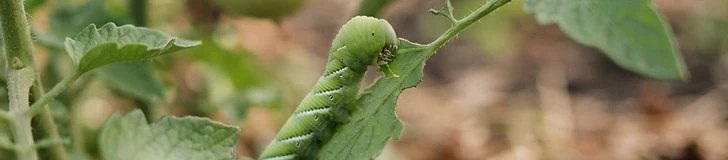
- Tomato Hornworms: Large, bright green caterpillars with a white V-shape pattern that can defoliate an entire plant in days.
- Whiteflies: Small, moth-like insects that flutter up when you disturb the leaves, sucking sap from the plant.
Manual Removal Techniques Physical removal is often the most effective way to manage small infestations. For aphids, a strong blast of water from your garden hose can dislodge them before they multiply. For larger pests like hornworms, simply pluck them off by hand—they do not bite or sting—and drop them into a bucket of soapy water.
When scouting for hornworms, check your plants at dusk or dawn; their skin glows faintly under a UV flashlight, making them much easier to spot against the foliage.
Encouraging Beneficial Insects A healthy garden uses nature to do the heavy lifting. You can attract predatory insects that naturally hunt pests by planting flowers like dill, marigold, and alyssum near your tomatoes. Insects such as ladybugs, lacewings, and parasitic wasps are the best allies a gardener can have in the fight against aphids and caterpillars.
Maintaining Plant Vigor Strong, well-fed plants are more resilient to pest pressure. Ensure your tomatoes receive consistent moisture and are planted in soil amended with organic compost. Avoid excessive nitrogen fertilizers, which create a flush of tender, succulent growth that acts as a magnet for hungry sap-suckers. If temperatures exceed 90°F, provide light afternoon shade to reduce plant stress.
Monitoring and Consistency Check your plants at least twice a week during the peak growing season, focusing on the undersides of the leaves. Early detection is the secret to staying ahead of populations before they cause visible damage. Regular inspection also allows you to remove damaged fruit or foliage immediately, preventing the spread of secondary issues like mold or rot. A proactive, observant approach ensures a productive and chemical-free tomato season.