Close up of a pair of gardening gloves picking a large green caterpillar off a lush, healthy tomato plant leaf in a sunny vegetable garden.Tomatoes Deep Dive

Natural Pest Defense for Your Tomato Patch

2 min read 373 words

Learn how to spot common tomato pests early and manage them using safe, organic methods to protect your harvest.

Keeping your tomatoes healthy requires vigilance against common garden intruders. By learning to identify these pests early, you can protect your plants without resorting to harsh chemicals that might harm beneficial pollinators.

Scouting Your Plants Regularly inspect your tomato plants, especially the undersides of leaves and along stems. Look for signs of damage like pinholes, yellowing leaves, or chewed edges. Catching an infestation early, when populations are small, is the most effective way to keep your garden thriving.

Common Tomato Culprits 1. Aphids: These tiny, soft-bodied insects cluster on new growth. Blast them off with a strong stream of water from your hose.

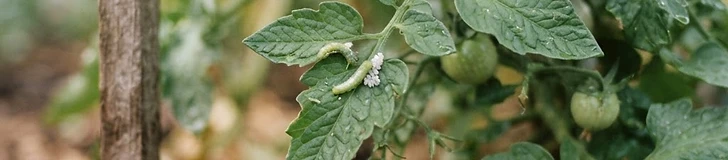
  1. Tomato Hornworms: Look for large, green caterpillars that can strip a stem of leaves overnight. Their presence is often betrayed by black droppings on lower leaves. Pick them off by hand and drop them in soapy water.
  2. Whiteflies: These small, moth-like insects fly up in a white cloud when disturbed. They often hide on leaf undersides, so target those areas with organic insecticidal soap.

Pro Tip: Interplanting marigolds or sweet alyssum near your tomatoes attracts predatory insects like ladybugs and lacewings that hunt aphids and other pests for you.

Encouraging Beneficial Insects Create a welcoming environment for natural predators. Avoid broad-spectrum pesticides, which kill helpful bugs alongside the pests. Plant diverse flowers nearby to ensure these beneficial allies have nectar to eat while they aren't hunting.

Barrier Protection If pests like cutworms or birds are a problem, physical barriers are your best defense. Wrap a 3-inch tall cardboard collar around the base of newly planted transplants to prevent cutworms from chewing through the stems. For birds, drape light horticultural netting over your cages once the fruit begins to blush, ensuring the mesh is secured at the base.

Sanitation Matters Pests often overwinter in garden debris. At the end of the season, clear away dead tomato vines and fallen fruit, especially if you had a heavy pest year. Dispose of this material in the trash rather than your compost pile to ensure pests don't survive to attack your next crop in USDA zones where winter temperatures stay above 0°F. Consistent observation and gentle intervention are the keys to a bug-free, bountiful tomato season.

Watch & learn

Curated variety-trial and pest-ID videos related to this article.

How to identify and kill tomato hornworms

Open

Managing Aphids Naturally in the Garden

Open
#Tomatoes#Pest Control#Organic Gardening#Garden Tips

More in Tomatoes Deep Dive

We use a couple of cookies to keep you signed in and remember your settings — no tracking ads, and we never sell your data. Read our privacy policy.