
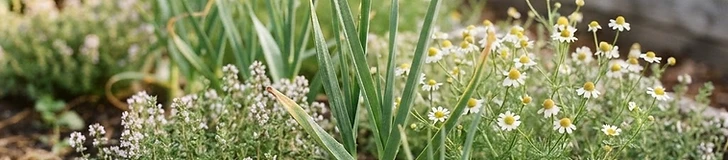
Companion planting is an effective, organic strategy to protect your vegetable patch by using the natural chemical properties of alliums to confuse and repel common garden pests. By strategically placing these plants, you can create a healthier ecosystem for your crops.
The Power of Aroma
Alliums, including Allium sativum (garlic) and Allium cepa (onions), release pungent sulfur compounds that mask the scent of nearby vegetables. Many insects, such as aphids and carrot rust flies, rely on their sense of smell to locate host plants. When you interplant alliums, you effectively hide your more vulnerable crops behind a curtain of scent, significantly reducing pest pressure throughout the growing season.
Perfect Partners for Your Patch
Strategic placement is key to successful companion planting. Consider these pairings for your US garden:
- Carrots: Interplanting onions or chives between carrot rows helps deter the carrot rust fly, which is often attracted to the smell of carrot tops.
- Tomatoes: Garlic acts as a deterrent for spider mites and aphids when planted at the base of tomato plants, especially in warmer USDA zones 7-10.
- Roses: Many gardeners plant chives near roses to help ward off black spot and aphids, keeping blooms healthy and vibrant without synthetic sprays.
For the best results, place your allium companions within 12 inches of your vulnerable vegetables, ensuring their strong scent profile provides maximum coverage for the target crop.
Managing Your Allium Beds
- Spacing: Keep alliums spaced at least 4 to 6 inches apart to allow for proper airflow, which prevents fungal diseases in humid climates.
- Diversity: Rotate your allium locations every year to avoid soil-borne diseases and ensure the nutrients in your soil remain balanced.
- Timing: Plant your garlic in the fall for summer harvest, or sow bunching onions in early spring to ensure your natural pest barriers are established before the peak insect season in temperatures above 60°F.
Boosting Biodiversity
While alliums are excellent at repelling pests, they don't do it alone. Pairing them with flowering herbs like dill or cilantro attracts beneficial predatory insects like lacewings and ladybugs. This two-pronged approach—repelling the bad bugs while inviting the good ones—creates a self-sustaining garden that requires far less intervention. Healthy soil and thoughtful plant placement will always remain your most powerful tools for a productive backyard harvest.
Start your garden season with a plan for these natural partnerships to see a measurable difference in your vegetable health.