

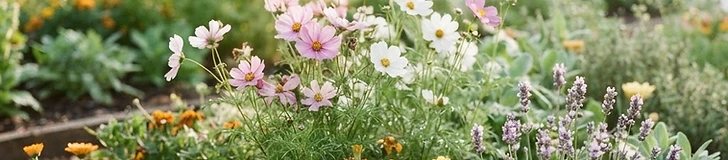
Companion planting is a secret weapon for any home gardener looking to produce florist-quality stems without heavy chemical use. By strategically placing specific plants near your cut flowers, you can deter pests, improve soil health, and even encourage faster blooms across USDA zones 3–10. Growing a cut flower garden is as much about managing the ecosystem as it is about soil and water. When you diversify your beds, you create a complex environment that discourages the specialized pests that often plague monoculture flower patches.
The Power of Herbs Using aromatic herbs is one of the most effective ways to confuse hungry insects. Plants like Anethum graveolens (dill) and Ocimum basilicum (basil) emit scents that mask the fragrance of your prized dahlias or zinnias, making it harder for aphids and beetles to find them. Plant these herbs in 12-inch gaps between your main rows to ensure constant protection throughout the growing season.
Attracting Beneficial Predators To manage aphids and spider mites, you need beneficial insects like ladybugs and lacewings. Flowers such as Alyssum maritimum (sweet alyssum) are tiny powerhouses that act as a landing pad for these predators. When these beneficials arrive to feed on nectar, they stay to hunt the pests currently feasting on your plants.
Always plant your trap crops and insectaries at least two weeks before your main floral display to ensure the beneficial insect population is established before your high-value flowers start blooming.