
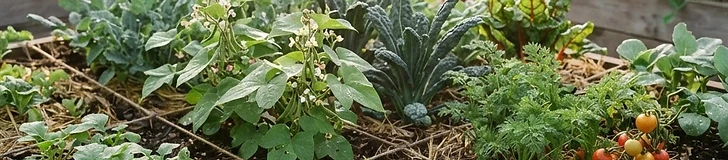
Succession planting is the secret to a high-yield garden. By strategically replacing crops as soon as they finish, you can ensure your 1x1 foot squares never sit empty, providing a steady supply of fresh produce from spring through late autumn.
The Concept of Relays
Instead of planting an entire bed of Lactuca sativa (lettuce) at once, break your grid into smaller sections. If you dedicate four squares to salad greens, plant one square every two weeks. This staggered planting approach prevents a "feast or famine" cycle where everything matures simultaneously. Once a square is harvested, it is immediately ready for a new crop.
Choosing Successors
To succeed, match your crops to the season. Cool-season vegetables like Spinacia oleracea (spinach) or Raphanus sativus (radish) thrive when soil temperatures are below 70°F. As the weather warms above 75°F, clear these squares and transition to warm-season favorites such as Phaseolus vulgaris (bush beans) or Cucumis sativus (cucumber). Always consider the days to maturity listed on seed packets to ensure your second crop has enough time to ripen before your local first frost date.
Keep a small notebook or digital log of when you pull a plant and when you reseed the empty square; this record will become your best tool for planning next year’s garden success.
Soil Maintenance
Intensive gardening requires healthy soil. Because you are constantly cycling plants, your soil nutrients deplete faster than in traditional rows. Before replanting a square, mix in a handful of organic compost or a balanced granular fertilizer. This restores the nitrogen and minerals needed for the next round of seedlings to thrive.
Planning for Frost
As temperatures drop, use row covers or protective cloches to extend your harvest into the colder months. You can plant hardy greens like Brassica oleracea (kale) in late summer, even in cooler USDA zones, to provide fresh greens well after the first light freeze. Focus on varieties labeled as "cold-tolerant" to maximize your final harvest window.
By keeping your garden beds busy, you turn your limited square footage into a non-stop food production machine.