
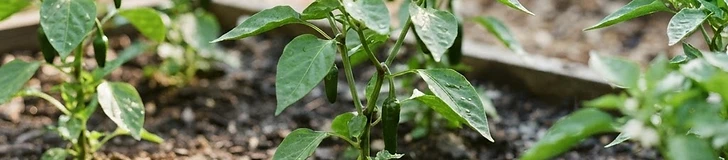
Achieving a record-breaking pepper harvest begins with two critical variables: light exposure and physical space. By understanding how peppers interact with their environment, you can turn a modest backyard garden into a high-production vegetable patch.
The Need for Sun
Peppers are heat-loving crops that originate from tropical climates. To produce heavy yields, your plants require at least 6 to 8 hours of direct full sun daily. If you live in a cooler region like USDA zones 4 or 5, prioritize the sunniest spot in your yard to ensure soil temperatures remain above 65°F. In hotter regions, such as zones 9 and 10, afternoon shade can actually prevent fruit sunscald, but consistent morning light remains non-negotiable for development.
Optimal Plant Spacing
Proper spacing is vital for airflow and nutrient access. Crowding plants leads to humidity buildup, which invites fungal diseases like leaf spot. Follow these general guidelines:
- Large bell peppers: Space 18 to 24 inches apart in rows 30 inches apart.
- Smaller hot peppers: Space 12 to 15 inches apart, as they typically have more compact growth habits.
- Raised beds: Use a grid system, allowing approximately 1 square foot per plant for standard varieties.
Pro Tip: If you notice your plants are tall and leggy, they are likely searching for more light; try pruning nearby tall crops to prevent shading your peppers.
Soil and Root Health
Before planting, ensure your soil is well-draining. Peppers struggle in heavy, waterlogged clay, which causes root rot and stunted growth. Mix in 2 to 3 inches of high-quality compost to improve texture and drainage. When transplanting, bury the plant only as deep as it was in its nursery container to avoid stem rot while ensuring the roots are insulated from extreme fluctuations in soil temperature.
Supporting Your Yield
Because peppers can become heavy with fruit, installing support early prevents stems from snapping during summer storms. Use simple bamboo stakes or small wire cages immediately after planting. By securing the main stem early, the plant can focus its energy on fruit production rather than structural repair.
With the right location and adequate breathing room, your pepper plants will be well-equipped to produce a bounty of chiles all summer long.