
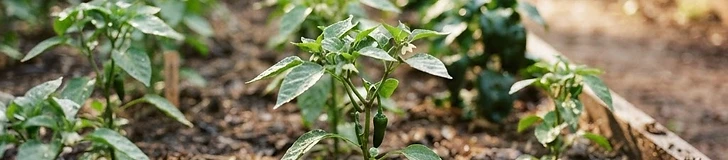
Growing peppers like Capsicum annuum is a rewarding endeavor for any gardener, but success relies heavily on sunlight and proper spatial management. By understanding how to position your plants, you can move from a few struggling pods to a heavy, continuous harvest throughout the summer. This guide covers the fundamentals of spacing and light for US home gardeners.
The Sunlight Requirement Peppers are heat-loving plants that thrive in full sun conditions. To produce a significant yield, your plants require at least 6 to 8 hours of direct sunlight daily. If your garden receives less, you may notice spindly stems and very few fruits. In regions with intense summer heat exceeding 95°F, providing light afternoon shade can prevent sunscald on delicate fruits, but prioritize maximum morning light to fuel growth.
Mastering Plant Spacing Proper spacing is essential for airflow, which helps prevent common diseases like powdery mildew. If you crowd your plants, they compete for nutrients and light, leading to stunted production.
- Space most bell and frying pepper varieties 18 to 24 inches apart.
- For smaller hot pepper varieties, 12 to 15 inches of space is usually sufficient.
- Ensure your rows are at least 30 inches apart to allow easy access for harvesting and maintenance.
Pro Tip: Always use sturdy garden stakes or small wire cages at the time of planting to support heavy fruit loads later in the season; retrofitting supports once a plant is mature often damages the root system.