
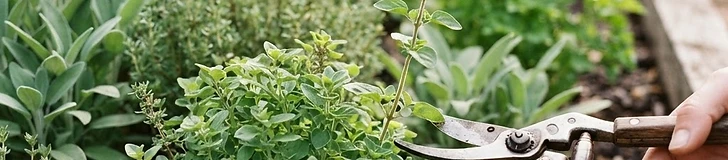
Many home gardeners make the mistake of harvesting their herbs as if they were picking flowers, taking only the very tops or waiting until the end of the season to cut them back. In reality, how you harvest dictates the structural health and total lifespan of your plants. By mastering the art of pruning, you can turn a single spindly basil plant into a robust, bushy treasure that provides enough leaves for your kitchen throughout the entire growing season. Whether you are gardening in USDA zones 3 or 10, the principles of growth remain the same: you want to encourage lateral development rather than upward, flower-focused growth.
Understanding the Nodes
The secret to bushier herbs lies in identifying the nodes. A node is the point on a stem where leaves, flowers, or branches emerge. When you prune just above a node, you send a signal to the plant to stop putting energy into vertical growth and start branching out from that specific point. Use sharp, clean bypass pruners or kitchen shears for this task. Snapping off stems with your fingers can crush the delicate vascular tissue, which risks introducing pathogens or causing the remaining stem to die back to the next node.
The Rule of Thirds
To ensure you do not shock your plants, always follow the rule of thirds. Never remove more than one-third of the total foliage at any given time. This balance allows the herb to maintain enough leaf surface area for photosynthesis, which is critical for producing the sugars required to fuel new growth. If you over-harvest, the plant will go into stress, potentially bolting or becoming susceptible to pests. For woody perennials like rosemary, lavender, or thyme, only prune the current season's green growth. Never cut back into the old, woody base of the plant, as it rarely produces new shoots and you may accidentally kill that branch entirely.
Timing Your Cuts for Success
Timing is essential for managing growth. For fast-growing soft herbs like basil, cilantro, or parsley, start pruning once the plant has reached about 6 to 8 inches in height. By pinching back the center stem, you force the plant to develop two new stems from the nodes directly below the cut. For slower-growing perennials, pruning is best done in late spring after the last frost date, when the plant is pushing active growth. If you see flower buds appearing, remove them immediately. Flowering consumes massive amounts of energy, and once an herb like basil or cilantro sets seeds, it often stops producing leaves and begins to turn bitter.
Preventing Legginess
Leggy, sparse growth is usually a sign that your herbs are not getting enough light or that they haven't been pruned enough. If you are growing indoors under supplemental lights, ensure the light is within 4 to 6 inches of the top of the plant. Outside, herbs like oregano and mint need regular harvesting to keep them compact. If you let these trailing herbs sprawl, the inner leaves will often yellow and drop off due to lack of airflow. Reach into the center of the plant and remove some of the older, inner stems. This improves light penetration and air circulation, significantly reducing the risk of fungal issues like powdery mildew, which can thrive in humid conditions above 70°F.
Practical tips
- Always sterilize your shears with rubbing alcohol between different plants to prevent the spread of soil-borne diseases.
- Harvest in the early morning after the dew has evaporated but before the heat of the day reaches its peak, as essential oils are most concentrated during this time.
- Use a clean snip at a 45-degree angle to prevent water from pooling on the cut site, which minimizes the risk of rot.
- If you have an abundance of growth, do not let it go to waste; keep a glass of water handy to place clippings in immediately to keep them crisp until you use them.
- Focus your harvest on the outer edges of the plant to encourage a wide, dome-like shape that captures sunlight efficiently.
- When harvesting mint or lemon balm, which are vigorous spreaders, feel free to be aggressive; these plants respond exceptionally well to heavy pruning and will quickly fill in the gaps.
Quick takeaway
Prune regularly just above a pair of leaf nodes to stimulate branching and prevent flowering, ensuring a constant supply of fresh, flavorful herbs throughout the year.