
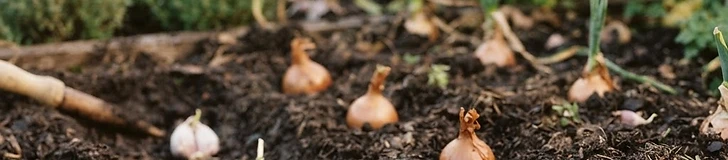
Achieving large, heavy allium harvests relies heavily on how much room you give each plant to expand its root system and bulb size. By following precise spacing guidelines, you can prevent competition for nutrients and ensure your garden thrives through the season.
Planting Garlic Cloves
For garlic (Allium sativum), space is the primary driver of bulb diameter. If cloves are planted too close together, they compete for the same square inch of soil fertility, resulting in stunted bulbs.
- Plant individual cloves 4 to 6 inches apart.
- Space rows at least 12 inches apart to allow for airflow and easy weeding.
- Ensure the pointy end of the clove faces up at a depth of 2 to 3 inches.
Setting Onion Transplants
When working with onion (Allium cepa) sets or transplants, think about your target size. If you want large slicing onions, they need more room to develop compared to smaller green onions or bunching varieties.
- Dig a shallow trench to ensure consistent depth.
- Space large-bulb varieties 6 inches apart in rows 12 inches apart.
- Keep the base of the set level with the soil surface to prevent rot.
Pro tip: Use a piece of scrap wood cut to exactly 6 inches as a spacing guide; place it between each plant as you move down the row to ensure perfect, uniform distance every time.
Why Spacing Matters
Proper ventilation is just as important as soil fertility for alliums. When plants are spaced appropriately, moisture evaporates from the leaf surface more efficiently after rainfall, which significantly reduces the risk of fungal diseases like onion rust or white rot. Furthermore, weeding becomes much simpler when you have clear rows, allowing you to cultivate the soil without damaging the sensitive, shallow roots of your crops.
Adjusting for USDA Zones
Your planting schedule often dictates your spacing strategy. Gardeners in colder zones (USDA Zones 3–6) often plant garlic in the fall, allowing roots to establish before the ground freezes. Gardeners in warmer zones (USDA Zones 7–10) should focus on choosing varieties specifically bred for shorter day lengths to ensure the bulbs reach their maximum potential before the heat of summer arrives.
Consistent moisture and the right amount of elbow room are the two most important factors in your journey toward a record-breaking allium harvest.