
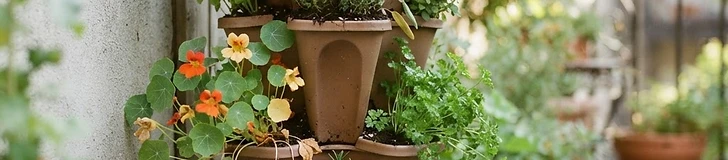
If you have limited ground space, you do not need a large backyard to enjoy a bountiful harvest. Tiered planters allow you to stack crops upward, effectively multiplying your square footage while keeping your plants organized and easily accessible.
Choosing Your Tiered SystemTiered planters come in various configurations, from cascading stair-step wooden frames to circular stacking pots. When selecting a system, consider your materials. Cedar or treated lumber is durable, while food-grade plastic or resin options offer lightweight portability. Ensure your chosen structure provides at least 8 to 10 inches of soil depth for root vegetables and leafy greens.
Strategic Plant PlacementSpacing is essential in vertical arrangements. Place taller plants, like Solanum lycopersicum (tomatoes) or peppers, on the back or top tiers to prevent them from shading out shorter, sun-loving varieties like Ocimum basilicum (basil) or lettuce. Ensure the footprint remains stable; if you are in a windy location, place your heaviest, largest pots at the bottom level to maintain a low center of gravity.
Pro-tip: Always check your local USDA Hardiness Zone before planting; remember that plants in containers are exposed to more temperature fluctuations than those in the ground, so bring sensitive pots indoors if temperatures drop below 40°F.
Irrigation and DrainageMoisture management is the most common challenge with tiered gardening. Because water trickles down from the top, the bottom containers often remain wetter than those at the top. To balance this, follow these tips:
- Use a high-quality potting mix with added perlite for better aeration.
- Check the soil moisture in each tier individually using your finger rather than assuming all levels have the same needs.
- Place saucers under each tier if you are growing on a finished deck to protect the surface from water runoff.