
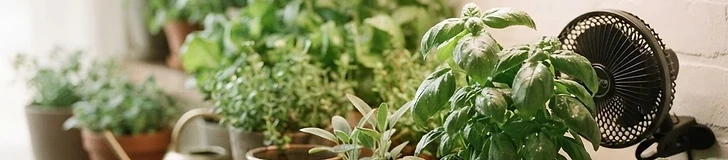
Creating a thriving indoor garden requires more than just sunlight; it requires managing the invisible environmental factors that dictate plant health. By balancing airflow, humidity, and temperature, you can mimic the natural conditions your plants crave. This guide helps you fine-tune your space for year-round success.
Prioritizing Airflow Proper airflow prevents stagnant air, which is a leading cause of fungal diseases and pest infestations like spider mites. Without movement, moisture settles on leaves, creating the perfect conditions for powdery mildew. Aim to keep a gentle breeze circulating throughout your indoor garden using a small oscillating fan. Ensure you place the fan far enough away so that you are not drying out the foliage too quickly; the goal is air exchange, not a windstorm.
Managing Humidity Levels Most houseplants originate from tropical climates and prefer humidity levels between 40% and 60%. Homes in the U.S. often drop below 30% during winter months when heating systems are active, causing crispy leaf tips on tropical varieties like Monstera deliciosa or Calathea. You can increase ambient moisture by clustering your plants together, using a pebble tray, or investing in a reliable cool-mist humidifier.
Tip: If you are unsure of your current room environment, keep a digital hygrometer near your plants to monitor levels in real-time and adjust your misting habits accordingly.