
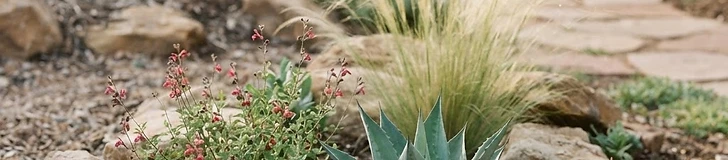
Xeriscaping is more than just rocks and cacti; it is a thoughtful approach to garden design that minimizes water use while maximizing beauty. By following these seven principles, you can create a sustainable landscape that thrives in your local climate regardless of rainfall patterns.
1. Planning and Design
Start by assessing your site. Map out sun exposure, slope, and soil type. Group plants with similar water needs together in "hydrozones" to ensure you aren't overwatering thirsty plants or underwatering drought-tolerant ones.
2. Soil Amendment
Healthy soil structure is your best water-retention tool. In many US regions, adding 2–3 inches of organic compost improves water holding capacity in sandy soils and drainage in heavy clay. Test your soil pH to ensure it matches the needs of the native species you intend to plant.
3. Efficient Irrigation
Use targeted watering methods to avoid waste. Drip irrigation or soaker hoses deliver water directly to the root zone at 1–2 inches per week during the hottest months, preventing the evaporation common with overhead sprinklers.
Always water in the early morning before 8:00 AM when temperatures are below 70°F to minimize evaporation and fungal growth.
4. Plant Selection
Prioritize drought-tolerant species suited to your USDA hardiness zone. Native plants like Echinacea purpurea or Asclepias tuberosa have evolved to withstand local weather extremes, requiring significantly less supplemental irrigation once established.
5. Mulching
Applying 3 inches of organic mulch—such as wood chips or pine needles—keeps roots cool, suppresses weeds, and prevents soil moisture from evaporating in the intense summer sun. Keep mulch a few inches away from the base of stems to prevent rot.
6. Turf Reduction
Traditional lawn grasses are the thirstiest plants in the yard. Replace high-maintenance turf with functional groundcovers like Thymus serpyllum (creeping thyme) or permeable pathways made of gravel or flagstone to reduce your overall water footprint.
7. Maintenance
Even water-wise gardens need regular care. Weed consistently so they don't compete for moisture, and adjust your irrigation system seasonally as temperatures shift throughout the year.
Start small by replacing a single high-water lawn patch with a native, drought-hardy perennial bed to save water and time this season.