
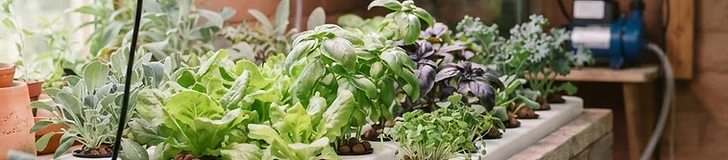
Creating a thriving indoor hydroponic system requires more than just water and nutrients; it demands a carefully managed environment. By mimicking ideal outdoor conditions, you can produce lush harvests regardless of your local USDA hardiness zone or current weather patterns. This guide covers the essential environmental controls needed to keep your plants healthy. ## The Essentials of Light Quality and Duration For most indoor growers, Full-Spectrum LED lights are the gold standard. Unlike older fluorescent bulbs, LEDs provide the specific wavelengths required for photosynthesis while generating significantly less heat. For leafy greens like Lactuca sativa (lettuce) or herbs, aim for 12 to 16 hours of light per day. If you are growing fruiting crops such as peppers, you may need to increase the intensity or duration as the plant matures. Ensure your lights are positioned 12 to 18 inches above the canopy to prevent leaf burn while maintaining high growth rates. ## Managing Optimal Temperature Ranges Most hydroponic crops prefer an environment that mimics a mild spring day, typically between 65°F and 75°F. While your home's ambient temperature may suffice, monitor the water temperature closely. > Pro-tip: If your nutrient reservoir temperature exceeds 75°F, it can lead to root rot and low dissolved oxygen levels; consider using a small aquarium chiller or frozen water bottles to keep the solution cool. ## Airflow and Humidity Control Proper Ventilation is crucial for preventing mold and strengthening plant stems. A small oscillating fan directed toward your garden helps circulate air, effectively cooling the plant surface and preventing stagnant, humid pockets that harbor pests. Aim for a relative humidity level of 40% to 60%. If your home is exceptionally dry, especially in winter, a small humidifier can prevent the leaves of moisture-loving plants like Ocimum basilicum (basil) from crisping at the edges. ## Monitoring Your Environment 1. Install a digital hygrometer to track temperature and humidity in real-time. 2. Use a mechanical timer to ensure a consistent light cycle, as plants rely on predictable photoperiods to trigger vegetative or flowering growth. 3. Periodically check the distance between your lights and your plants, adjusting them upward as your garden grows taller to maintain the 12-inch clearance. Mastering these environmental factors turns a simple shelf setup into a highly productive growing zone.
 Hydroponics
Mastering the Indoor Climate: Lighting and Environment for Hydroponics
2 min read 376 words
Learn how to optimize indoor light cycles, temperatures, and air quality to ensure your soil-free garden thrives year-round.
Watch & learn
Curated variety-trial and pest-ID videos related to this article.
Beginner Guide to Hydroponic Lighting
Open#hydroponics#indoor gardening#grow lights#beginner gardening