
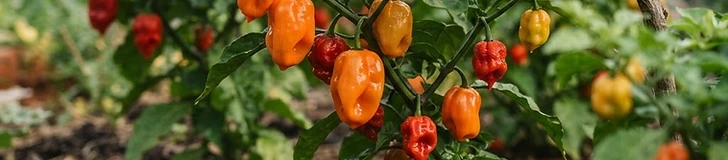
Growing high-heat varieties like Capsicum chinense requires patience and specific environmental conditions to reach their full potential. This guide covers the fundamentals of moving from seed to a successful, fiery harvest in your backyard.
Starting Your Seeds
Superhot peppers have a long growing season and prefer warm soil to germinate. Start your seeds indoors 8–10 weeks before your area's average last frost date. Use a heat mat to keep the soil temperature between 80°F and 85°F, as these varieties can be slow to sprout in cooler conditions. Maintain consistent moisture, but avoid waterlogging the soil to prevent damping off.
Choosing the Right Spot
These plants thrive in full sun, requiring at least 6–8 hours of direct light daily. If you are in USDA zones 4–6, ensure your peppers are planted in the warmest, most protected location of your garden. If you live in zones 9–11, consider partial afternoon shade to protect the developing fruit from sunscald during extreme heat waves.
Soil and Nutrients
Fertility management is critical for fruit production. Provide a well-draining, nutrient-rich soil amended with organic compost. Avoid over-fertilizing with nitrogen once the plant begins to bloom, as this encourages leafy growth at the expense of pepper development. Instead, switch to a balanced fertilizer or one slightly higher in phosphorus and potassium to support heavy fruit sets.
Pro tip: To maximize the heat profile of your peppers, slightly reduce your watering frequency once the fruits reach full size, as mild water stress can concentrate the capsaicinoids in the pepper tissues.
Watering and Maintenance
Consistent moisture helps prevent blossom drop, a common issue where flowers fall off before fruit forms. Aim to keep the soil evenly moist but never soggy. Mulching around the base of the plant with 2 inches of straw or pine needles helps regulate soil temperature and moisture levels, protecting the shallow root systems from rapid evaporation during the peak of summer.
Harvesting Your Crop
Superhots change color as they ripen; while they can be eaten at the green stage, allowing them to turn their final color—bright orange, red, or chocolate—significantly improves both sweetness and heat intensity. Use sharp garden shears to clip the peppers from the stem rather than pulling them, which prevents damaging the brittle branches.
With a little attention to warmth and steady care, you will be enjoying homegrown superhots all season long.