


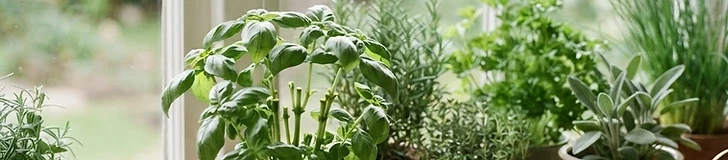
Many home gardeners make the mistake of harvesting their herbs only from the top, resulting in tall, spindly plants that lean over and eventually stop producing. To truly thrive, herbs like basil, mint, oregano, and rosemary require consistent pruning. When you prune correctly, you signal the plant to stop putting energy into vertical height and instead redirect that vitality into developing side branches. This process, known as pinching back, is the secret to moving from a single stalk to a lush, bushy mound of greenery. Whether you are gardening in USDA zones 4 or 10, the principles of plant architecture remain consistent across the board. By mastering these techniques, you ensure that your backyard pots or garden beds provide a bountiful harvest throughout the growing season.
The Anatomy of a Bushy Herb
Think of your herb plant like a tree. At the very tip of every stem, there is a dominant bud called the apical meristem. This bud produces a hormone called auxin, which travels down the stem and suppresses the growth of side shoots. When you pinch off that top tip, you effectively stop the flow of auxin. Without that signal, the dormant buds located in the leaf axils—the space where the leaf meets the stem—begin to wake up. Suddenly, instead of one main stem, you have two new shoots growing out. If you repeat this process on those new stems, you quickly turn a single stick into a complex, multi-branched plant that offers double or triple the leaf production.
Timing Your Pruning
For most soft-stemmed herbs like basil, start pruning once the plant reaches about 6 to 8 inches in height. It can feel counterintuitive to snip off part of a young, growing plant, but doing so early builds a strong foundation. For woody herbs such as rosemary, lavender, or thyme, patience is key. You generally want to avoid cutting into the old, woody base of the plant, as these sections do not regenerate growth as easily as the soft green tips. Focus your efforts on the current season's growth, trimming back about one-third of the stem length to keep the plant compact without stressing it out. Aim to do your major harvests in the cool of the morning when the essential oils are most concentrated, and the plant is fully hydrated.
Harvesting for Success
How you harvest is just as important as when you harvest. Avoid the temptation to pull individual leaves from the bottom of the plant. While this seems safe, it leaves behind long, bare stems that do not produce further growth. Instead, use sharp, sterilized garden shears to cut just above a set of leaf nodes. Always make your cut at a slight angle to prevent water from pooling on the wound, which can encourage fungal issues. By harvesting using this method, you are simultaneously gathering your kitchen ingredients and performing essential plant maintenance. In the heat of the summer, be careful not to prune away more than one-third of the plant at once, as this can cause sunscald or heat stress in warmer USDA zones.
Handling Bolting and Flowers
In many cases, the goal of pruning is to prevent the plant from flowering. Once an herb like basil or cilantro begins to develop a flower spike, its metabolic focus shifts from leaf production to seed production. This is often triggered by heat or lengthening days. The leaves may become smaller, tougher, or even bitter. If you notice a flower bud forming, pinch it off immediately. By removing the bloom, you trick the plant back into vegetative growth mode. If you allow the flowers to bloom, the plant will eventually go dormant and stop producing the lush foliage you are working so hard to cultivate.
Practical tips
- Keep your shears sharp and clean to ensure crisp, healthy cuts that heal quickly without infection.
- Always prune just above a node, as this is where the dormant growth buds are hiding.
- Rotate your pots or garden orientation occasionally to ensure that all sides of the herb receive equal sunlight, preventing lopsided growth.
- Water your herbs thoroughly after a heavy harvest to help them recover and push out new shoots.
- If you have an abundance of herbs, use the trimmings for propagation in water or soil to expand your garden for free.
Quick takeaway
Regularly snip your herb stems just above a leaf node to force branching, creating a thicker, higher-yielding plant that resists legginess.