


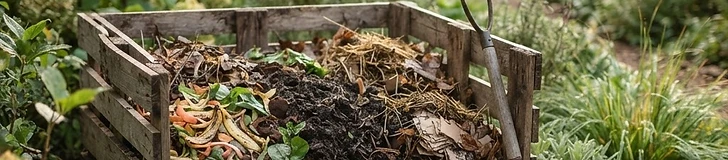
Composting is often viewed as a mysterious chemical process, but at its heart, it is simply the natural recycling of organic matter. Whether you are a beginner in USDA Zone 5 or a seasoned gardener in Zone 9, the principles of composting remain the same. The goal is to provide a balanced diet for the trillions of microbes, fungi, and worms that do the heavy lifting of decomposition. To achieve this, you must master the ratio of what we call greens and browns. Balancing these two categories is the single most effective way to turn kitchen scraps and yard waste into rich, dark humus that will transform your garden beds.
Understanding the Nitrogen-Carbon Balance
Think of your compost pile as a bustling kitchen where nitrogen is the protein and carbon is the fiber. Nitrogen, provided by 'greens,' acts as the fuel for your microbial engine. It helps the colony grow and reproduce quickly. If you add too many greens, your pile will turn into a slimy, foul-smelling mess because the microbes are overwhelmed and the pile lacks oxygen flow. Conversely, carbon, provided by 'browns,' acts as the structural foundation and energy source. If you have too many browns, your pile will stay dormant, failing to heat up or break down in a reasonable timeframe.
The Role of Greens
Greens are generally moist, fresh materials. They provide the nitrogen necessary to build cellular mass for the bacteria that digest your waste. In a typical home garden, your green waste likely comes from the kitchen. Vegetable scraps, fruit peels, fresh grass clippings, and used coffee grounds are all prime examples. Even fresh plant trimmings from your perennials count as greens. When you add these to your bin, you are essentially adding the engine parts that keep the decomposition process running hot and fast.
The Role of Browns
Browns are the dry, brittle materials that provide carbon. These materials are essential for maintaining the structure of your compost pile. They create tiny air pockets between layers of waste, which allow oxygen to circulate throughout the heap. Without oxygen, your pile will turn anaerobic, which causes that notorious rotten-egg smell. Common sources of carbon include dried leaves, shredded cardboard, straw, sawdust from untreated wood, and dried-out garden stalks. Think of browns as the insulation and the breathing apparatus for your compost pile.
Finding the Ideal Ratio
While there is a scientific ideal of 30 parts carbon to 1 part nitrogen, you do not need to carry a calculator into the backyard. For the average home gardener, a simple visual ratio of two parts brown to one part green works perfectly. If you are adding a bucket of kitchen scraps to your bin, make sure to cover that bucket with two buckets worth of shredded leaves or cardboard. If you notice your pile is getting too wet or starting to smell, add more browns immediately. If the pile looks bone dry and nothing is happening after a few weeks, add more greens or lightly dampen the pile with a hose.
Practical Tips
- Keep a bag of shredded office paper or cardboard next to your kitchen scrap bin to remind yourself to balance every load of greens.
- Chop larger garden debris into pieces no bigger than six inches to increase the surface area available for microbes to work on.
- Turn your pile with a pitchfork once every two weeks to redistribute materials and reintroduce oxygen to the center of the heap.
- Avoid adding diseased plant material, meat, dairy, or oils to your pile, as these can attract pests and introduce pathogens to your soil.
- Monitor the internal temperature; if your pile feels warm to the touch, your ratio is likely spot on and the microbial activity is thriving.
- If you live in a colder climate, increase the volume of your pile in late fall to help retain internal heat during the winter months.
Quick takeaway
Keep a simple ratio of two parts brown to one part green by volume, and your compost pile will remain healthy, odorless, and productive throughout the entire growing season.