


Many gardeners fall into the trap of watering on a fixed calendar schedule, such as every Monday or every three days. However, plants do not follow a calendar; they respond to the microclimate, wind, humidity, and the specific needs of their growth stage. Overwatering is just as detrimental as underwatering, leading to root rot and weak, shallow root systems. To grow a resilient garden, you must learn to listen to the signals your soil and plants provide.
The Finger Test: Your Most Reliable Tool
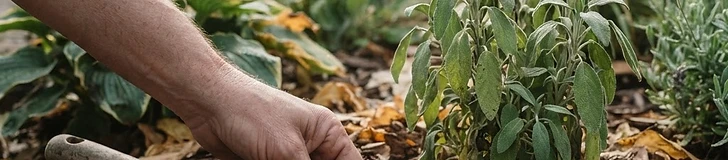
Before you reach for the hose, use your finger. It sounds simple, but it is the gold standard for accuracy. Insert your index finger into the soil up to the second knuckle, about two inches deep. If the soil feels damp or cool, your plants are likely hydrated. If the soil feels dry, crumbly, or dusty at that depth, it is time to water. Do not rely solely on the surface, which often dries out quickly due to heat and airflow while the root zone remains perfectly moist.
Observing Physical Plant Cues
Your plants are constant communicators. When they need water, they often begin to wilt during the hottest part of the day as a survival mechanism to reduce transpiration. Observe your garden in the late afternoon. If they look droopy but bounce back by the next morning, they are managing fine. However, if they remain wilted into the following morning, they are suffering from significant water stress and need an immediate deep soaking. Look for color changes as well; many plants turn a dull, grayish-green when they are thirsty.
Understanding Soil Texture and Drainage
Different soil types hold water differently. Sandy soils drain rapidly, meaning nutrients leach away quickly and plants will need water more frequently. Clay soils, conversely, hold onto water like a sponge but can become compacted and difficult for roots to penetrate. If you have heavy clay, ensure you are not watering so frequently that you drown the roots. If you have sandy soil, you may need to add organic matter like compost to improve the soil's water-holding capacity, reducing the frequency of irrigation needed.
The Role of Weather and Evaporation
Wind is often the silent thief of garden moisture. A hot, breezy day will dry out leaves and soil much faster than a still day of the same temperature. Furthermore, humidity plays a major role. On muggy, humid days, evaporation slows down significantly, and your garden may not need water even if the temperatures climb into the 90s °F. Always adjust your watering routine based on the current weather forecast rather than a preset timer.
## Practical tips
- Water early in the morning to allow foliage to dry before sunset, which prevents fungal disease.
- Apply a two-inch layer of organic mulch, such as straw or wood chips, to retain moisture and keep roots cool.
- Aim your water directly at the base of the plant rather than overhead to ensure moisture reaches the roots and reduces evaporation.
- Group plants with similar water needs together in your landscape to make irrigation more efficient.
- Use a rain gauge to measure how much actual precipitation your garden receives before deciding to supplement with a hose.
- If you are growing in containers, remember they dry out much faster than in-ground beds and may require daily attention during peak summer.
Quick takeaway
Always check the soil moisture two inches down before watering, and let your plants' physical state guide your schedule rather than a calendar.