
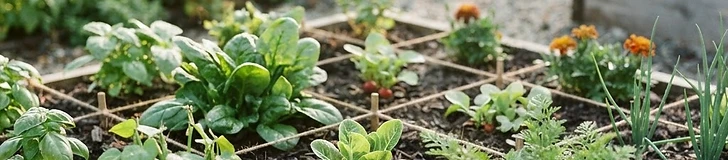
In a square-foot garden, space is premium, and soil health is your greatest asset. By rotating your crops systematically, you break pest cycles and ensure your soil remains balanced for every growing season.
Understanding Nutrient Needs
Plants fall into different nutrient categories based on their growth habits. Leafy greens like Lactuca sativa (lettuce) are heavy nitrogen feeders. Root vegetables, such as Daucus carota (carrots), prefer phosphorus and potassium to grow deep. Legumes, including Phaseolus vulgaris (bush beans), act as nitrogen fixers that actually replenish the soil. By rotating these families through your grid, you prevent specific nutrients from being depleted.
The Four-Season Rotation Plan
To maintain a healthy grid, follow a basic rotation sequence. Do not plant the same family in the same square for at least two cycles. Use this simple sequence:
- Leafy Greens (Heavy feeders)
- Root Crops (Low nitrogen needs)
- Legumes (Soil restorers)
- Fruit-bearing crops (Heavy feeders like tomatoes or peppers)
Keep a simple garden journal or use the Dovi app to map your grid each season; noting exactly where you planted your crops ensures you do not accidentally repeat a planting zone too soon.
Managing Soil Structure
Different root architectures improve soil structure when rotated. Deep taproots of crops like Raphanus sativus (radish) help break up compacted soil, making it easier for the shallow roots of the next crop to thrive. Rotating deep-rooted plants with shallow-rooted ones keeps the entire depth of your square-foot bed aerated and biologically active.
Pest and Disease Prevention
Many soil-borne pathogens are crop-specific. If you grow Solanum lycopersicum (tomatoes) in the same corner every spring, blight spores will build up in that specific soil. Rotating your crops moves the host away from the pathogen, significantly reducing the need for chemical interventions. Aim for a three-year rotation cycle if possible, ensuring that no specific bed sees the same family of vegetables more than once every few seasons.
Consistent rotation is the easiest, most effective way to keep your square-foot garden productive and resilient year after year.