
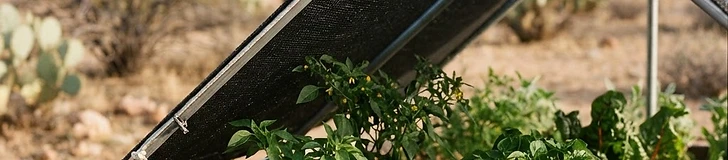
In high-heat regions, particularly USDA zones 8–11, sunlight intensity can quickly scorch tender vegetable crops once temperatures exceed 90°F. Learning how to properly deploy shade cloth is a game-changing strategy to extend your growing season and prevent plant stress. You will learn how to select the right material and set it up to maximize airflow and light filtration.
Understanding Density
Choosing the correct shade cloth density is the first step in protecting your plants. Density refers to the percentage of sunlight blocked by the fabric. For most vegetable gardens, 30% to 50% density is the sweet spot. A 30% cloth is perfect for sun-loving crops like tomatoes and peppers that just need a little relief, while 50% is better for leafy greens like Lactuca sativa (lettuce) or spinach, which tend to bolt instantly in desert heat.
Proper Installation Angle
The installation angle determines how effectively your cloth works throughout the day. Rather than laying fabric flat against your plants, build a simple frame to keep the material suspended at least 18–24 inches above the foliage. A slight pitch or angle is beneficial; installing your cloth with a gentle slope helps shed any unexpected monsoonal rain and ensures that shifting shadows don't leave part of your bed exposed to the harsh afternoon western sun.
Pro tip: Secure your shade cloth using bungee balls or zip ties, as desert winds can act like a sail, potentially damaging your support structures during heat-induced gusty afternoons.
Avoiding Heat Trap
Proper airflow management is essential when covering garden beds. Never wrap your plants tightly in cloth, as this creates a "heat trap" that can cook your vegetables faster than direct sun. Always leave the sides of your structure open to allow for cross-ventilation. Proper circulation helps lower the humidity around the leaves, reducing the risk of fungal diseases during the humid monsoon season.
Seasonal Maintenance
Regularly check your attachment points every few weeks. Extreme UV radiation in arid climates can degrade cheaper plastics over a single season. If the cloth becomes brittle or starts to fray, it is time to replace it to ensure your plants receive consistent protection during the hottest months of July and August. Using high-quality, UV-stabilized knitted polyethylene will ensure your investment lasts for several growing seasons.
Start small by shading your most sensitive crops first, and you will quickly see a noticeable difference in harvest quality.