
Traditional gardening often relies on rototillers to prepare beds, but frequently turning the soil destroys delicate fungal networks and brings dormant weed seeds to the surface. By adopting a no-dig approach, you feed the soil life directly, leading to healthier plants and less manual labor for you. In this guide, we will explore how to build fertile, moisture-retentive beds using a simple layering method.
The Philosophy of No-Dig
No-dig gardening works by mimicking nature, where organic matter naturally accumulates on the surface. By adding layers of compost and mulch instead of digging them in, you allow earthworms and beneficial bacteria to incorporate nutrients into the soil profile for you. This creates a stable structure that holds moisture better, which is essential for gardeners in zones 5 through 9 who experience hot, dry summers.
Preparing Your New Bed
- Start by mowing existing grass or weeds as short as possible in your chosen spot.
- Cover the area with a layer of plain, brown cardboard to suppress weeds and smother grass. Ensure you overlap edges by at least 6 inches to prevent light from sneaking through.
- Water the cardboard thoroughly until it is completely soaked.
- Apply 3 to 4 inches of high-quality compost directly on top of the cardboard.
Pro-tip: If you are starting your bed in autumn, leave the cardboard bare and cover it with 4 inches of straw or leaf mulch; the soil will be perfectly conditioned for planting by the time temperatures rise above 50°F in the spring.
Ongoing Maintenance
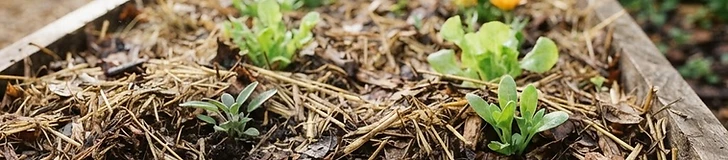
Once your bed is established, mulching becomes your most important task. Keep the soil surface covered with a thin layer of wood chips, straw, or shredded leaves. This protects soil microbes from the drying effects of the sun and prevents the compaction often caused by heavy rain. As the organic material breaks down, it naturally feeds your garden, reducing the need for synthetic fertilizers.
Planting Tips
To plant, simply move the mulch aside and use a small hand trowel to create a hole in the compost layer. There is no need to disturb the lower layers. This method minimizes soil disruption, keeping your garden ecosystem intact and your yields consistently high throughout the growing season. By letting nature do the work, you build a sustainable foundation that improves every year.