
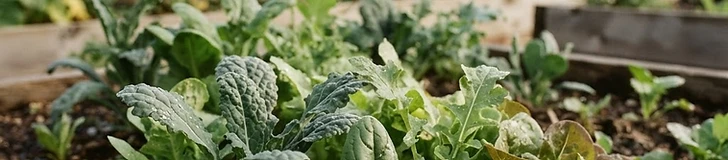
Gardening at high altitudes presents a unique set of challenges, including intense solar radiation, rapidly fluctuating temperatures, and a significantly shortened growing season. By selecting the right varieties, you can produce a bountiful harvest even in regions where the frost-free window is dangerously thin.
Focus on Cool-Season Powerhouses
When your growing season is limited to just 60 or 90 days, skip the long-maturing beefsteak tomatoes. Instead, prioritize cool-season crops that thrive when soil temperatures remain below 60°F. Vegetables like Spinacia oleracea (spinach) and Lactuca sativa (lettuce) are naturally programmed to bolt if they get too hot, making them perfect for mountain climates.
Choose Short-Day Varieties
Look specifically for cultivars labeled as early-maturing or short-season. In high-altitude zones, every week counts. When browsing seed catalogs, prioritize these traits:
- Days to maturity: Aim for varieties under 70 days.
- Cold tolerance: Look for "frost-hardy" or "overwintering" labels.
- Compact habits: Smaller plants are easier to protect with row covers.
Pro tip: Always check your local USDA zone, but remember that high-altitude microclimates can act like an entirely different zone; keep a garden journal to track your specific last frost dates.
The Best Crops for Thin Air
If you are gardening at 7,000 feet or above, focus on root and cruciferous vegetables. These plants handle the temperature drops that define mountain nights much better than warm-season fruits. Try starting these in your garden beds:
- Raphanus sativus (Radishes): Ready to harvest in as little as 25 days.
- Brassica rapa (Turnips): Extremely resilient and fast-growing in cool soil.
- Kale: One of the most frost-tolerant plants, often tasting sweeter after a light freeze.
- Pisum sativum (Peas): Excellent for spring planting while the air is still crisp.
Managing Your Soil Heat
Even with cold-hardy crops, you can give your plants a head start by using dark-colored mulch or raised beds. These materials absorb heat during the day and radiate it back to the roots during freezing nights, preventing the soil from dipping too low for seed germination.
Start small with these resilient crops to gain confidence in your specific mountain microclimate before scaling up your production.