
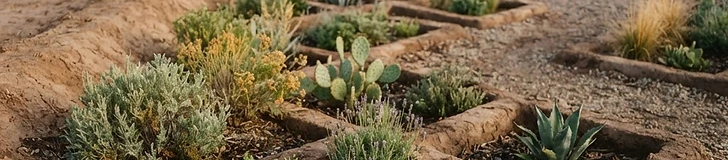
In high-heat, low-rainfall regions, gardening is less about fighting the sun and more about trapping moisture. Sunken beds and waffle gardens turn your soil into a natural sponge, allowing water to pool around roots rather than running off the surface. By lowering your planting area below grade, you can maximize irrigation efficiency and reduce your reliance on daily watering.
The Concept of Sunken Beds
Sunken beds involve digging out a planting basin 6 to 12 inches below the surrounding soil level. This structure forces water to stay exactly where your plants need it most. By creating a depression, you protect tender root zones from the drying effects of hot desert winds. In USDA zones 7-10, this simple design shift can significantly reduce evaporation rates during peak summer temperatures exceeding 100°F.
Designing a Waffle Garden
A waffle garden is an advanced evolution of the sunken bed, consisting of a grid of square, sunken planting basins separated by raised earthen dikes. The ridges act as walkways while the depressions serve as reservoirs.
- Mark out your grid, ideally 3 feet by 3 feet per square.
- Scoop the topsoil from the center of each square to create a 6-inch deep basin.
- Heap the soil onto the borders to build sturdy, 6-inch high walls.
- Plant your crops in the sunken area and use the ridges to navigate without compacting your soil.
Pro Tip: Always line the bottom of your sunken basins with an inch of organic compost before planting to improve water retention and provide nutrients that might otherwise leach away.
Soil Management and Mulching
Even in a sunken basin, the desert sun is unforgiving. Mulching is the final, non-negotiable step to cooling the soil. Apply a 3-inch layer of straw or wood chips over your plants within the basin. This creates a thermal barrier that keeps the soil temperature cool and prevents the crusting that often occurs after a heavy monsoon rain or irrigation session.
Selecting Appropriate Plants
While sunken beds are excellent for most vegetables, avoid using them for plants that require perfect drainage or suffer from crown rot, such as Rosmarinus officinalis or certain Mediterranean herbs. Instead, focus on water-loving crops like Cucurbita pepo or leafy greens that thrive in the focused moisture environment created by your basin.
Start small by converting one traditional raised bed into a sunken basin this season to see how your local soil handles the water retention.