
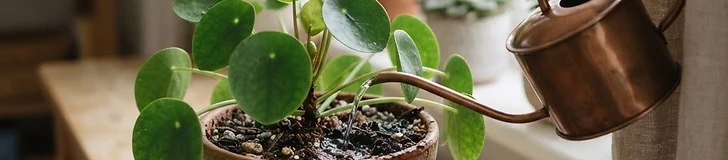
Mastering the balance of water is the most critical skill for a new gardener. Overwatering is the leading cause of houseplant failure, but with a few simple techniques, you can ensure your plants stay healthy year-round. This guide covers how to check moisture and identify signs of trouble to keep your indoor garden flourishing.
The Finger Test
Stop relying on a rigid schedule. Instead, use the Finger Test to check soil moisture. Before watering, insert your index finger about 1 to 2 inches into the potting mix. If it feels dry, it is time to hydrate. If it feels damp or cool, wait a few more days. Most common houseplants, like the Epipremnum aureum (Pothos), prefer to dry out slightly between waterings to encourage healthy root growth.
Understanding Drainage
Proper drainage is your first line of defense against root rot. Always choose pots with drainage holes at the bottom. If you use decorative cachepots, remove the plastic nursery liner before watering to allow excess moisture to drain completely. Never let your plant sit in a saucer of standing water for more than 30 minutes, as this prevents oxygen from reaching the roots and triggers decay.
Pro tip: If your plant pot lacks holes, use a layer of lava rock at the bottom to create a small reservoir, but be extremely careful with volume to prevent stagnant water from touching the root ball.
Signs of Overwatering
Watch for physical changes in your plant to catch issues early. Root rot often presents as yellowing leaves, mushy stems, or a foul, swampy smell coming from the soil. If you notice these symptoms:
- Carefully remove the plant from its container.
- Gently inspect the roots; healthy roots are firm and white, while rotted roots are dark, slimy, and brittle.
- Trim away any damaged roots with sterilized scissors and repot into fresh, well-draining soil.
Seasonal Adjustments
Remember that indoor plants follow the light cycles of their environment. In the winter months, when indoor temperatures hover around 65°F to 70°F and natural light is lower, plants enter a period of slower growth. You will likely need to water 30% to 50% less during these months compared to the active growth phase in summer. Always monitor your specific climate and adjust your habits accordingly for the best results.