
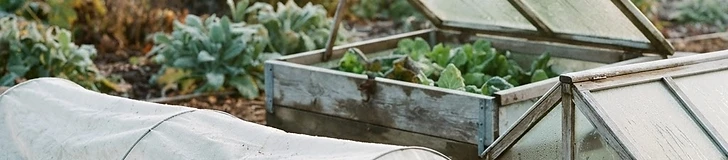
As a gardener, nothing is quite as disheartening as checking the weather forecast and seeing the dreaded frost warning. That sudden dip in temperature can turn lush, thriving greens into wilted, dark mush overnight. However, frost does not have to signal the end of your gardening season. With the right tools and strategies, you can buffer your plants against the cold and keep your garden productive well into the shoulder seasons. Whether you are in USDA Zone 5 dealing with early fall frosts or in Zone 9 trying to protect citrus during a rare cold snap, physical barriers are your best line of defense. By understanding how to use row covers, cloches, and cold frames, you can effectively manage the microclimate around your crops. ## Understanding Frost Types Before you start covering plants, it is important to distinguish between light frosts and hard freezes. A light frost occurs when the temperature drops to between 30°F and 32°F. This typically kills tender plants like tomatoes, peppers, and basil. A hard freeze, however, involves temperatures dropping well below 28°F for an extended period, which can damage even hardy plants. Row covers are generally sufficient for light frosts, but for severe, prolonged freezes, you may need to layer materials or utilize more insulated structures like a cold frame. ## Floating Row Covers: The Versatile Shield Floating row covers are one of the most effective tools for home gardeners. These lightweight, spun-bonded fabrics allow sunlight, water, and air to pass through while trapping heat near the soil surface. To use them effectively, simply drape the fabric directly over your plants or support them with wire hoops to create a tunnel. When placing them over crops, ensure you bury the edges of the fabric with soil or heavy rocks to prevent cold winds from whipping underneath and chilling the plants. Row covers can typically provide 4°F to 6°F of protection, which is often the difference between life and death for young seedlings in the spring or late-maturing crops in the autumn. ## Cloches: Individual Plant Protection Cloches are essentially miniature greenhouses for individual plants. Traditionally, gardeners used glass jars, but today, plastic jugs with the bottoms cut out are the go-to solution. A cloche works by creating a greenhouse effect during the day, heating the soil and the plant, and then retaining that heat overnight. This is perfect for protecting a single, prize pepper plant or a small grouping of fragile transplants. When using plastic cloches, remember to remove or vent them on sunny days if temperatures inside rise above 75°F to prevent overheating your plants. Always lift or vent your cloches when the air temperature warms up during the day to ensure proper air circulation and to prevent disease buildup. ## Cold Frames: The Heavy-Duty Solution For gardeners looking to truly push the boundaries of their season, a cold frame is an invaluable investment. Think of a cold frame as a bottomless box with a transparent lid, placed directly on the soil. It acts as a passive solar collector. During the day, the sun warms the air and soil inside; at night, the insulated walls and closed lid trap that warmth, keeping the interior significantly warmer than the ambient outdoor temperature. Cold frames are ideal for hardening off seedlings in the spring or for growing cold-hardy vegetables like kale, spinach, and carrots throughout the winter in milder climates. Place your cold frame in a south-facing spot to maximize sunlight exposure and ensure the lid can be easily propped open for ventilation. ## Practical tips - Always water your garden thoroughly before a frost; moist soil holds more heat than dry soil, providing a warmer environment for your plants. - Use wire hoops for row covers to keep the fabric from pressing directly against the foliage, which can trap moisture and increase the risk of fungal issues. - Remove all frost protection covers during the day if the temperature climbs into the 50s or 60s to prevent plants from cooking. - For extra protection, layer your row covers; two layers of lightweight fabric provide significantly more insulation than one, and you can even throw an old blanket or burlap sack over the top on the coldest nights. - Secure your covers tightly to the ground; if cold air leaks in from the edges, the protective benefits of the covers are greatly diminished. - Label your plants inside cold frames; it is easy to forget what you planted once the frames are closed for the season. ## Quick takeaway Physical barriers like covers, cloches, and frames provide the necessary insulation to protect your plants from frost damage and significantly extend your harvest window.
 Protecting Your Garden
Mastering Frost Protection: Extending Your Growing Season
4 min read 777 words
Learn how to safeguard your vegetable garden from sudden temperature drops using row covers, cloches, and cold frames to ensure a bountiful harvest.
#gardening#frost protection#season extension#organic gardening