
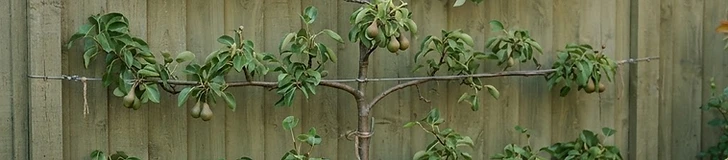
Maximize your harvest in small spaces by training fruit trees to grow flat against a wall or fence. This ancient technique, known as espalier, allows you to grow high-quality fruit in tight corridors where a full-sized tree simply wouldn't fit. Whether you live in USDA zones 4 through 9, there is an espalier variety waiting to transform your landscape.
Choosing the Right Variety Not every tree takes well to training, but certain species thrive when disciplined. Apples and pears are the best choices for beginners because they are forgiving and produce "spurs" that yield fruit on older wood. Select varieties grafted onto dwarfing rootstocks to keep the tree's vigor manageable. Before planting, ensure your fence or wall faces south or west to provide the 6 to 8 hours of full sun these trees need to ripen fruit properly.
Essential Supplies To get started, you will need a sturdy support system. Do not plant the tree directly against the wall; keep it about 6 to 8 inches away to ensure proper airflow and prevent disease.
- Heavy-gauge galvanized wire or tensioned nylon line.
- Screw eyes or masonry anchors for mounting to the surface.
- Garden twine or soft, expandable ties (never use wire directly against the bark).
- Pruning shears for regular maintenance.
Training the Branches The goal is to create a balanced, horizontal framework.
- Plant your sapling and prune the main leader at the desired height of your first tier.
- As new side branches emerge, select the two strongest and bend them horizontally, tying them gently to your wire support.
- Continue to pinch back vertical shoots that sprout from these horizontal limbs to encourage fruiting spurs rather than long, vegetative growth.
Always check your ties every few months; as the tree thickens, constricting materials can girdle the trunk and kill your hard work.