
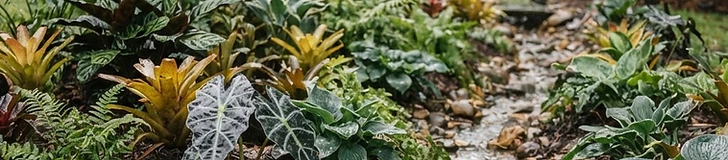
Tropical gardening in USDA zones 9–11 presents unique challenges, particularly when seasonal downpours dump several inches of rain in a single day. Without proper management, waterlogged soil can lead to root rot and soil erosion, turning your vibrant paradise into a swampy mess. This guide covers how to assess your drainage and implement solutions that keep your plants healthy even during the heaviest rains.
Understanding Soil Percolation
Before planting, test your soil's drainage capacity. Dig a hole 12 inches deep and 12 inches wide, fill it with water, and let it drain completely. After it empties, fill it again. If the second fill takes more than 6 hours to drain, your soil likely has high clay content and needs amendments. Tropical favorites like Alocasia and Heliconia hate having "wet feet," so improving soil structure is essential for long-term success.
Elevating Your Beds
Raised beds are the most reliable way to combat poor drainage. By elevating your planting area 8 to 12 inches above grade, you ensure that gravity pulls excess moisture away from the root zone. Use rot-resistant materials like cedar or concrete blocks to construct these beds. Filling them with a high-quality mix of organic compost and perlite creates a porous environment that holds nutrients but allows water to flow through freely.
Pro-tip: Incorporate expanded shale into your soil mix to create permanent air pockets that prevent compaction during heavy tropical storms.
Selecting Appropriate Sites
Observe your yard during a significant rainfall event to identify low-lying areas where water pools. Avoid planting sensitive species in these spots. Instead, designate these natural basins as rain gardens. Plant moisture-loving native ferns or Canna lilies here, as they can thrive in areas where water naturally collects, effectively turning a drainage issue into a landscape asset.
Strategic Mulching
While mulch is vital for retaining moisture in arid climates, heavy applications can trap excess water in tropical regions. Keep your mulch layer thin—no more than 1 to 2 inches—and ensure it remains at least 3 inches away from the base of plant stems. This allows for better airflow around the crown of the plant, significantly reducing the risk of fungal infections that thrive in humid, wet conditions.
By proactively managing your garden’s hydrology, you can enjoy a lush tropical landscape that flourishes throughout the rainy season.