
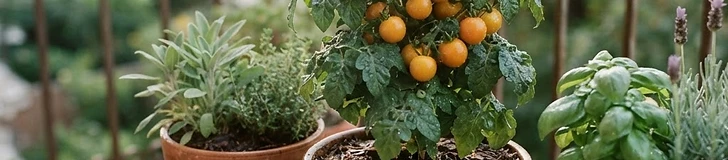
Potted plants are more susceptible to drying out than those in the ground because their roots are confined to a limited amount of soil. By understanding the relationship between drainage and evaporation, you can keep your container garden healthy even during the peak of summer.
Drainage Basics
Success begins at the bottom of your pot. Without proper drainage, water pools at the roots, leading to rot. Ensure your containers have at least one hole at the base. If you are using decorative pots without holes, place your plant in a plastic nursery pot inside the decorative one. For larger containers, keep them slightly elevated off the balcony floor using pot feet or bricks to ensure air can circulate and excess water can escape freely.
Establishing a Cadence
Instead of sticking to a rigid daily schedule, check your soil moisture manually. Stick your finger two inches deep into the potting mix. If it feels dry to the touch, it is time to irrigate. In peak summer heat, especially in USDA zones 7–9 where temperatures frequently climb above 90°F, you might find yourself watering small pots twice a day. Larger containers hold moisture longer, but check them daily as the wind and sun can wick moisture away rapidly.
Pro tip: Always water until you see liquid running out of the bottom drainage holes, ensuring the entire root ball is saturated rather than just the top layer of soil.
Managing Summer Heat
When temperatures skyrocket, containers suffer from thermal stress. The pot itself, especially dark-colored plastic or metal, can heat up and cook sensitive root systems. To combat this, move containers to a spot that provides afternoon shade during the hottest part of the day, or group your pots together to create a microclimate that traps humidity. Applying a one-inch layer of organic mulch, such as shredded bark, on top of the soil helps prevent rapid evaporation and keeps the roots significantly cooler.
Avoiding Over-Correction
It is common to overcompensate when you see wilting. Remember that while Lactuca sativa (lettuce) and other leafy greens enjoy consistent moisture, other plants prefer the top inch of soil to dry out between waterings. Always observe your plants in the morning; a plant that looks slightly wilted in the heat of the afternoon may simply be conserving energy and will recover once the sun goes down.
Consistent observation and mindful drainage adjustments are the secrets to a lush, worry-free container garden.