
Selecting native plants is the most effective way to restore local biodiversity, but success depends on matching species to your site's unique requirements. This guide will help you evaluate your environment to choose plants that thrive without chemical intervention.
Know Your Hardiness Zone
The USDA Hardiness Zone map is your primary tool. It divides the US into zones based on the average annual minimum winter temperature. Check your zone before purchasing; for instance, if you are in Zone 6 (-10°F to 0°F), a plant rated for Zone 8 will likely perish in winter. Always prioritize plants native to your immediate state or ecoregion to ensure they are adapted to your local rainfall patterns and soil chemistry.
Assess Sunlight and Soil
Before buying, observe your garden for at least one full day. Sunlight exposure is categorized as:
- Full Sun: 6+ hours of direct light.
- Partial Shade: 3–6 hours of light.
- Full Shade: Less than 3 hours or filtered light.
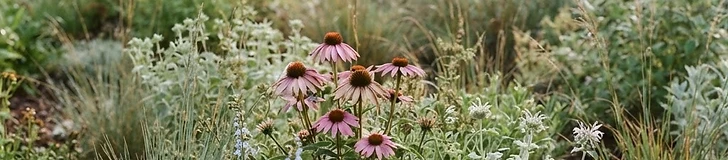
Next, test your soil drainage. Dig a 12-inch hole and fill it with water. If it drains within an hour, you have sandy or well-draining soil. If it takes all day, you likely have heavy clay that holds moisture. Many native prairie plants, such as Echinacea purpurea (Purple Coneflower), prefer well-draining soil, while species like Asclepias incarnata (Swamp Milkweed) thrive in damp, heavy areas.
Pro Tip: Take a walk in a nearby nature preserve or public park; notice which native species are growing naturally in soil and light conditions similar to your own garden beds.
Layering for Wildlife
Think of your garden as a vertical landscape. To support local pollinators, aim for a variety of heights:
- Canopy: Small native trees like Amelanchier arborea (Serviceberry).
- Understory: Shrubs such as Viburnum dentatum (Arrowwood Viburnum).
- Ground Layer: Perennials like Heuchera americana (Coral Bells) or native grasses.
Planting for Success
When installing your plants, dig a hole twice as wide as the pot but no deeper than the root ball. Mulch the surface with 2 inches of organic wood chips to suppress weeds and retain moisture, keeping the mulch a few inches away from the plant stem to prevent rot. Regular watering for the first year is vital, even for native plants, until their root systems are fully established in the landscape.
Start small by replacing one non-native patch with a native perennial grouping to see how these resilient plants transform your outdoor space.