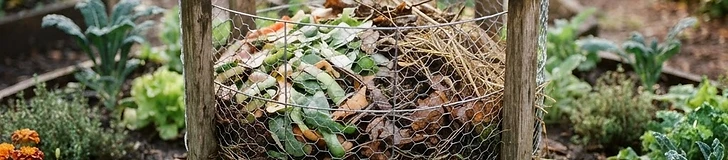
Learn how to keep your keyhole garden's central composting basket productive and healthy throughout the growing season.
A keyhole garden relies on its central basket to deliver moisture and nutrients directly to your plants. Keeping this core functioning is the secret to a thriving, low-maintenance garden in any USDA hardiness zone. In this guide, you will learn how to feed, maintain, and troubleshoot your basket for maximum harvest potential.
Feeding the Core With Compost Materials The central basket acts as an integrated worm farm and nutrient delivery system. To keep it working, add a mix of kitchen scraps and organic matter regularly.
- Add nitrogen-rich "greens" like vegetable peels, coffee grounds, and fresh grass clippings.
- Balance the mix with "browns" such as dried leaves, shredded cardboard, or straw to prevent odors and pests.
- Avoid adding meat, dairy, or oily foods, which can attract rodents or cause foul smells.
Pro Tip: Keep a small bucket with a lid in your kitchen for scraps so you can easily carry them to the basket once or twice a week without making extra trips.
Maintaining Optimal Moisture Because the basket serves as the garden's hydration point, it must remain moist to facilitate the breakdown of organic material. In hot climates, especially when temperatures consistently exceed 85°F, the contents may dry out quickly. If the material feels like a wrung-out sponge, it is perfect. If it feels bone-dry, pour a gallon of water directly into the basket to jumpstart the biological activity.
Managing Pests and Odors A well-managed basket should have an earthy, pleasant scent. If you notice a pungent or sour smell, it usually indicates the mixture is too wet or lacks airflow. You can remedy this by adding a few handfuls of dry, shredded cardboard or straw to absorb the excess moisture. If you notice fruit flies, ensure you cover your kitchen scraps with a layer of browns, like sawdust or dry leaves, to bury the food source completely.
Seasonal Cleanout Strategies Every spring, assess the level of finished compost in the base of your basket. If the basket is full of rich, dark humus, shovel it out and top-dress your garden soil with it. This acts as a slow-release fertilizer for the coming season. Replace the removed material with fresh, coarse sticks at the bottom to ensure the basket continues to drain properly. With consistent care, your central basket will remain the most powerful tool in your garden's success.