
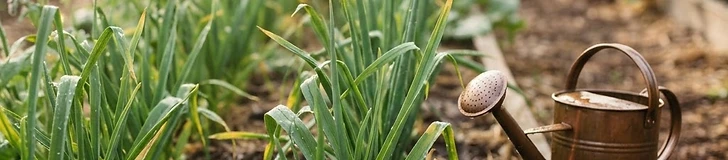
Alliums like Allium sativum (garlic) and Allium cepa (onions) are garden staples, but they require consistent maintenance to reach their full potential. By mastering a few key habits, you can ensure healthy bulbs and impressive yields throughout the growing season.
Consistent Watering Practices Proper hydration is vital, especially during the bulb-bulking phase in late spring and early summer. Aim for about 1 inch of water per week, either through rainfall or supplemental irrigation. Ensure the water reaches at least 6 inches deep to encourage strong root development. Reduce watering significantly once the foliage begins to yellow, as overly wet soil during late maturity can lead to rot and poor storage quality.
Nutrient Management When it comes to feeding, alliums are moderate feeders that appreciate well-balanced nutrition. For most US garden soils, incorporating a balanced, slow-release organic fertilizer at planting time is often sufficient. If you notice stunted growth in early spring, a light top-dressing of nitrogen-rich compost can help kickstart foliage production. Avoid heavy nitrogen applications once the plants begin to form bulbs, as this can delay maturity and soften the final product.
Effective Weed Control Because onions and garlic have shallow root systems and upright, narrow leaves, they are poor competitors against weeds. Weeding must be proactive to prevent the surrounding soil from becoming a resource-thief.
Use a stirrup hoe or a hand cultivator to gently disturb the soil surface once a week, catching tiny weed sprouts before they establish deep taproots that could damage your allium bulbs.