
Aquaponics is more than just a garden; it is a living, breathing machine that relies on the delicate interplay between fish, beneficial bacteria, and your favorite vegetables. While the concept of using fish waste to fertilize plants is intuitive, the reality of maintaining that balance requires a watchful eye. In this guide, we will break down exactly what you need to track daily to ensure your system remains a productive sanctuary rather than a headache. By mastering water chemistry and system hygiene, you can prevent most issues before they start, ensuring your home setup flourishes regardless of your local USDA climate zone.
Understanding the Nitrogen Cycle
At the heart of every aquaponic system is the nitrogen cycle. Fish produce ammonia through their gills and waste. If left untreated, ammonia is toxic to fish. Your biofilter, which is composed of porous media like expanded clay or lava rock, hosts colonies of beneficial bacteria that convert that ammonia into nitrites and eventually into nitrates. Plants then absorb these nitrates as nutrients. Your job is to ensure this loop never breaks. If your bacteria population crashes, ammonia spikes, and your fish will quickly show signs of stress. This is why daily monitoring is your greatest tool for long-term success.
Mastering Your Daily Water Tests
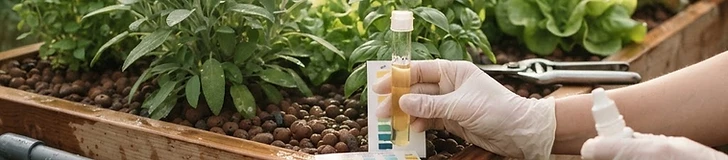
Consistency is the secret to a stable system. You should own a master liquid test kit designed for aquariums. While digital probes are available, liquid kits are often more reliable for hobbyists. Every morning, check your pH levels. Most aquaponic systems function best between a pH of 6.8 and 7.2. If the pH drops below 6.0, the bacteria that convert ammonia to nitrates may stop working. If it rises above 7.5, your plants may struggle to absorb vital micronutrients like iron. Keep a logbook or a digital note to track these numbers over time, as trends are often more informative than a single day’s measurement.
The Role of Oxygenation
Water quality is not just about chemical levels; it is about dissolved oxygen. Fish, plants, and bacteria all need oxygen to survive. In a standard setup, you want your water to be well-circulated. If the water appears stagnant or if your fish are gasping near the surface, your pump or air stone may be failing. Aim for a water temperature between 68°F and 76°F for most common system inhabitants like tilapia or goldfish. Warmer water holds less oxygen, so as the summer heat rises in your greenhouse or backyard, you must increase aeration to compensate for the higher metabolic rate of your fish.
Daily Maintenance Checklist
Maintenance should take no more than ten minutes of your time if you keep a consistent schedule. Start by observing the behavior of your fish. Are they active? Do they rush to the surface at feeding time? Next, check the flow of your water. Ensure that your grow beds are draining and filling correctly, as inconsistent flooding can lead to anaerobic zones where harmful bacteria thrive. Check your mechanical filters for debris buildup. Removing solid fish waste before it breaks down in the water column is essential for keeping ammonia levels under control.
Practical Tips for Success
- Feed only what your fish can consume in three to five minutes; uneaten food is a primary cause of water quality crashes.
- Inspect all plumbing connections daily to ensure no slow leaks are drawing down your water volume.
- Keep a five-gallon bucket of dechlorinated water on standby for minor top-offs; always add water slowly to avoid temperature shock.
- Test your water at the same time each day, ideally before your first feeding, to get the most accurate baseline readings.
- Clean your mechanical pre-filter at least every other day to prevent sludge from clouding your water.
- If you notice a sudden drop in pH, check your water alkalinity; adding a small amount of calcium carbonate or potassium bicarbonate can act as a buffer.
Addressing Common Water Quality Hurdles
Even with the best planning, you may encounter cloudy water or an unexpected spike in ammonia. Cloudy water is often a bacterial bloom caused by overfeeding. If this happens, reduce feeding by half for a few days and ensure your filtration is clean. If you see an ammonia spike, do not panic and change all the water at once. A massive water change can shock your fish and kill your remaining beneficial bacteria. Instead, perform small, 10 to 15 percent water changes over several days to dilute the ammonia while you identify the root cause, such as a dead fish or a clogged pump.
Quick Takeaway
Consistent daily monitoring of pH, oxygen, and fish behavior is the most effective way to prevent system failure and ensure a bountiful harvest.