
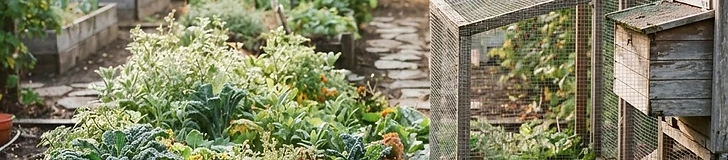
Integrating animals into a backyard garden transforms a static space into a dynamic, self-regulating ecosystem. By mimicking natural cycles, you can let your garden residents handle tasks like pest control, fertilization, and weeding while you reap the rewards of increased productivity. Integrating livestock requires careful planning to ensure the health of both your plants and the animals involved.
Animal-Driven Soil Preparation Poultry are the ultimate garden prep crew. Chickens and ducks are excellent at clearing garden beds of weeds and larvae before the spring planting season. By using movable "chicken tractors" or temporary fencing, you can direct their focus to specific sections of the garden. They provide high-nitrogen manure that breaks down into rich compost, though it must be aged for at least six months before being applied to vegetable crops to prevent nitrogen burn or pathogen contamination.
Pest Management Strategies Natural predators like chickens, geese, and even ducks can significantly reduce populations of destructive insects such as Slugs or Japanese Beetles. However, you must observe their habits closely. While a flock of chickens will devour pests, they will also eagerly consume your ripening Solanum lycopersicum (tomatoes) or Lactuca sativa (lettuce). Protecting your main crops with low hoops or fencing while allowing the birds access to the pathways is a key design feature in mature permaculture systems.
Always observe your birds' foraging behavior for a few days before giving them free rein; if they start eyeing your mulch or seedlings, move them to a different zone immediately.
Building a Symbiotic System Water and shelter management is the foundation of a successful animal-plant partnership. Positioning your coop or hutch near a perennial hedge—like Vaccinium (blueberries)—allows the animals to benefit from afternoon shade while their droppings act as a natural fertilizer for the shrub roots. Always ensure the animal living space is at least 20 feet away from any water collection systems to maintain hygienic conditions.
The Benefits of Diversity 1. Waste Reduction: Feed kitchen scraps and garden prunings to your animals instead of the compost bin.
- Fertility: Animal manure introduces diverse microbes and nutrients that synthetic fertilizers lack.
- Labor: Constant scratching and grazing reduces the need for manual tilling and weeding. Start small with a manageable flock or colony to observe how they interact with your landscape before scaling up your integrated system.