
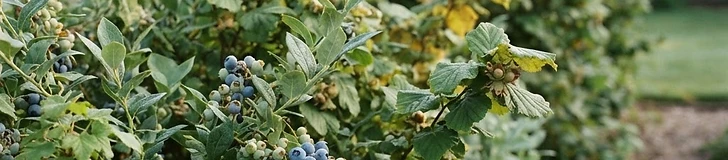
Turning a standard privacy screen into a functional food source is one of the most rewarding ways to utilize your landscape. By choosing productive species instead of non-fruiting evergreens, you gain seasonal beauty, delicious snacks, and a dense, natural wall that thrives in your local climate. Whether you need a low hedge or a tall screen, there is an edible plant that can do the work of a traditional fence.
Selecting Your Plants
When planning, match your USDA Hardiness Zone to the plant's needs. For a dense barrier, consider Vaccinium corymbosum (Highbush Blueberry) if your soil is acidic, or Lonicera caerulea (Honeyberry) for extreme cold tolerance. If you need height, Corylus avellana (Hazelnut) or Amelanchier (Serviceberry) provide excellent cover and harvest potential. Aim for a mix of textures to keep the hedge looking intentional rather than wild.
Planting for Density
Proper spacing is the secret to a functional screen. While individual plants need room to breathe, you want their canopies to touch within three to five years to block views effectively.
- Dig holes twice as wide as the root ball.
- Amend your soil with organic compost, especially if your native soil is heavy clay.
- Mulch with 3 inches of wood chips to retain moisture and suppress weeds.
Tip: Always research the mature spread of your selected shrub; planting too close to a property line or wall can inhibit airflow and lead to fungal issues like powdery mildew.
Managing Your Harvest
Maintenance for an edible hedge is similar to traditional landscaping but with a focus on yield. Pruning is essential for both structural integrity and fruit production. For most berry shrubs, remove one-third of the oldest, non-productive canes each winter while the plant is dormant. This encourages new, vigorous growth that will bear the most fruit next season. Keep an eye on moisture levels, as these plants generally require at least 1 inch of water per week, especially during the fruit-set period.
Pest and Bird Considerations
Because edible hedges are exposed, you may share your harvest with local wildlife. If bird pressure is high, consider using lightweight agricultural netting during the ripening phase. Alternatively, embrace the "share the harvest" philosophy and plant enough to satisfy both your kitchen and the local songbirds. Consistent monitoring in early spring ensures you can address any insect issues before they impact your summer harvest.
Start your journey by choosing one hardy species that thrives in your region to serve as the anchor for your new living fence.